Answering the demand for reliable, long-lasting protection in heavy-duty engines, this guide highlights five top options suitable for high-stress applications. These products are best for fleet managers, workshop professionals, and DIY enthusiasts who operate diesel or commercial-grade engines under extreme temperatures, heavy loads, or extended oil-change intervals. Each pick focuses on wear protection, deposit control, and overall oil life. The following comparisons help you choose based on engine type, synthetic content, and capacity—without guessing about performance.
| Product | Type | Best For | Why It Stands Out | Capacity |
|---|---|---|---|---|
| Valvoline Heavy Duty Full Synthetic 15W-40 Diesel Engine Oil | Full Synthetic | Diesel engines needing maximum wear protection | 35% reduction in valve train wear vs industry standards in Cummins test | 1 gallon |
| Valvoline Heavy Duty Synthetic Blend 15W-40 Diesel Engine Oil | Synthetic Blend | Extreme operating conditions | Targeted additive technology; better wear protection vs standard | 2.5 gallons |
| MAG 1 62631 SAE 15W-40 Premium Conventional Heavy Duty Diesel Engine Oil | Conventional | Wide range of heavy-duty, on/off-highway engines | Backward compatible with CJ-4 / CI-4 categories | 1 gallon |
| Briggs 4PK Vanguard 15W-50 Heavy Duty Synthetic Oil | Full Synthetic | Commercial equipment in high-temperature environments | Designed for Vanguard Big Block engines; high-temp range | 5 quarts |
| Spectro R.HD50 Heavy Duty Engine Oil 50 | Heavy Duty | American-made V-Twins and heavy-duty bikes | Engineered for Harley-Davidson V-Twin models | 1 quart |
Valvoline Heavy Duty Full Synthetic 15W-40 Diesel Engine Oil

Best for: Diesel-powered equipment requiring maximum wear protection and extended oil life. Why selected: This full synthetic option emphasizes wear control, deposit and oil breakdown resistance, and low-emission compatibility. It stands out for engines where diesel wear protection is prioritized, especially in continuous-duty or high-heat conditions.
Key considerations: Full synthetic formulations generally offer superior cold-start protection and longevity in harsh climates. This product’s test-backed wear improvement supports longer engine life in fleet use. Caution: Availability and compatibility should be confirmed for non-diesel or gasoline-heavy applications.
Valvoline Heavy Duty Synthetic Blend 15W-40 Diesel Engine Oil
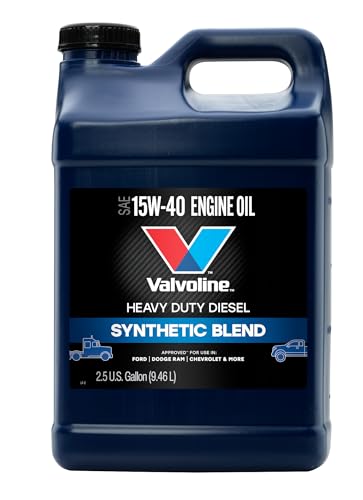
Best for: Extreme operating conditions with a need for robust protection without the full synthetic price. Why selected: The synthetic blend balances protection and cost, delivering stronger wear resistance than some standard blends and designed for high heat and extended oil life in demanding diesel engines.
Key considerations: Better wear protection vs conventional oils is a core advantage. Limitations: Not as resilient as full synthetic in severe heat or long idle periods.
MAG 1 62631 SAE 15W-40 Premium Conventional Heavy Duty Diesel Engine Oil

Best for: Wide-ranging heavy-duty engines that require a conventional base oil with solid protection. Why selected: It’s formulated for a broad mix of on- and off-road engines, with backward compatibility to several CJ-4, CI-4 categories, supporting versatility in mixed fleets.
Key considerations: Conventional oils can be cost-effective, but may require more frequent changes under extreme use. Caution: Not ideal if you need the superior volatility control and fuel efficiency benefits of full synthetic.
Briggs 4PK Vanguard 15W-50 Heavy Duty Synthetic Oil

Best for: Commercial equipment and engines running hot or at high load. Why selected: Specifically engineered for Vanguard Big Block engines, this oil targets high-temperature environments common in heavy-use equipment and service vehicles.
Key considerations: Designed for ambient temperatures from -7°C to 54°C. Caution: May be over-spec for engines that operate at lower temperatures or with less demanding duty cycles.
Spectro R.HD50 Heavy Duty Engine Oil 50

Best for: American-made V-Twin Harley-Davidson engines and heavy-duty applications. Why selected: It provides a niche option where engine design and brand heritage align with robust oil performance for motorcycles and similar powertrains.
Key considerations: HD50 indicates high-heat tolerance; suitability depends on engine type and manufacturer recommendations. Caution: Availability and compatibility with non-Harley engines may be limited.
Buying Guide: Key Purchase Considerations
- Engine type: Diesel vs gasoline engines respond differently to viscosity and synthetic content. Opt for 15W-40 or 15W-50 if engines operate under heavy loads or high temperatures.
- Viscosity and climate: Heavier grades (15W-40, 15W-50) excel in hot climates and high-load scenarios; lighter grades may perform better in cooler environments.
- Fully synthetic vs synthetic blend vs conventional: Fully synthetic offers the strongest wear protection and thermal stability; blends balance protection with cost; conventional oils are typically the most affordable but may require more frequent changes in harsh service.
- Capacity and fleet needs: Larger container sizes (e.g., 2.5 gallons, 5 quarts) reduce replacement frequency for fleets or multi-vehicle use.
- Engine manufacturer compatibility: Always verify API service category and CJ/CJ-4/CI-4 compatibility for diesel engines recommended by OEMs.
- Operating environment: Consider high-heat environments, continuous duty cycles, or off-road use when choosing oil with robust wear protection.
FAQ
- What does 15W-40 mean in heavy-duty oil?
It indicates viscosity behavior: 15 weight at cold start, 40 at operating temperature. Higher numbers generally indicate better high-temperature protection. - Is a synthetic blend enough for diesel engines under heavy load?
Often yes, for many users, but full synthetic provides stronger wear protection and longer oil life in extreme conditions. - Should I stick to OEM recommendations for my engine?
Yes. OEM guidelines specify viscosity, API/ACEA classifications, and category compatibility crucial for performance and warranty. - Can I mix oil brands in a fleet?
Mixing is generally discouraged. If necessary, ensure similar viscosity and API/ACEA specifications to minimize potential compatibility issues. - What are signs that my oil needs changing sooner?
Excessive engine heat, unusual smoke, or dark, thick oil color can indicate faster degradation or heavy contamination. - Do oil capacity and container size affect maintenance intervals?
Yes. Larger capacities reduce pumping frequency in fleets, but you should still follow scheduled oil-change intervals based on usage and OEM specs.