For car owners seeking effective UV protection and heat reduction, UV film can dramatically improve interior comfort and longevity. This guide highlights five standout options, explaining who each is best for and why it’s a solid choice. It covers nano-ceramic, privacy-focused, and general UV-blocking films to help you pick the right fit for your vehicle and lifestyle.
Overview of chosen products:
| Product | Best For | Key Benefit |
|---|---|---|
| SW 80% VLT Nano Ceramic Film | High UV protection seekers with heat control | 99% UV blocked; nano-ceramic heat dissipation |
| Vepagoo 35% VLT Ceramic Film | Daytime privacy with no signal interference | One-way look, no GPS/cell interference |
| MEGICOLIM 80% VLT Nano Ceramic Film | Durable, scratch-resistant tint | 2-ply design, strong wear resistance |
| TOYOCO 35% VLT Ceramic Film | Privacy with strong UV/IR blocking | High UV and IR rejection; glare reduction |
| RockRose 5% Carbon Window Tint | Premium privacy and heat reduction | Ultra dark with strong UV and modest IR reduction |
SW 80% VLT Nano Ceramic Front Window Film
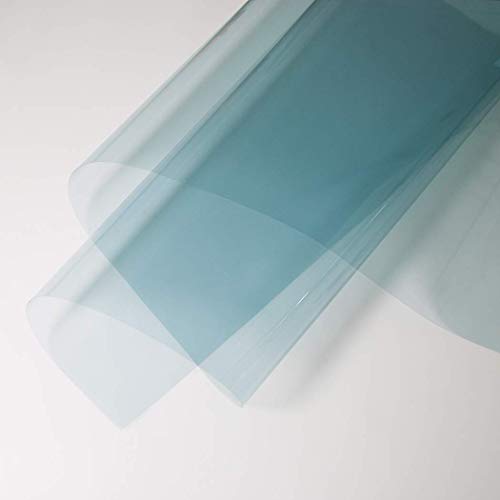
Best for drivers who want high UV protection with clear interior visibility. This film blocks 99% of UV rays and reduces sun heat, helping prevent dashboard fading and interior aging. The nano-ceramic technology aims to absorb and dissipate heat, supporting more comfortable cabin conditions during drives. It uses a 2-ply design with a scratch-resistant coating to minimize fading, bubbling, or peeling over time. Best for: daily drivers seeking reliable UV blocking without radio interference. Caution: some installations may reveal slight edge fringing on very curved surfaces; plan for careful application or professional help.
Vepagoo 35% VLT Ceramic Window Tint Film
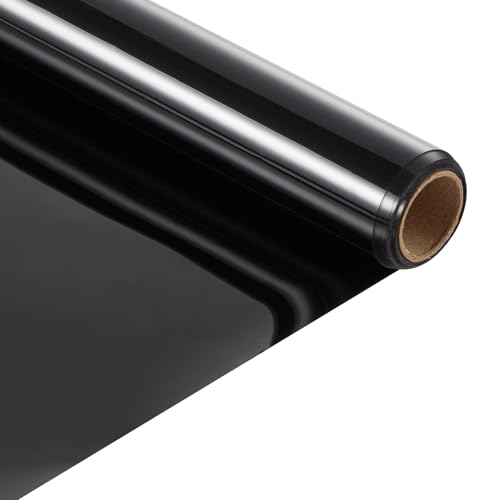
Choose this when daytime privacy matters without sacrificing device connectivity. The film offers one-way visibility during the day and ensures no interference with GPS, phones, or wireless devices. It significantly reduces infrared heat and glare, contributing to a cooler car interior and safer driving in bright conditions. Best for: drivers who value privacy and uninterrupted connectivity. Caution: 35% VLT balances privacy and visibility, but may still appear lighter or darker depending on lighting and vehicle angle.
80% VLT Nano Ceramic Window Film by MEGICOLIM

This film emphasizes durability with a nano-ceramic structure and a 2-ply design that resists fading, bubbling, and peeling. It blocks 99% of UV rays and helps dissipate heat for a more comfortable ride. Best for: buyers who want long-lasting tint with strong surface protection. Caution: higher VLT percentages can still let in some glare depending on time of day; consider additional glare-reducing accessories if needed.
TOYOCO 35% VLT Ceramic Window Tint Film

Best for privacy with strong UV and IR blocking capabilities. This film reduces visible light by 35%, providing daytime privacy while maintaining outward visibility. It claims high UV rejection (over 99%) and IR blocking (over 95%), along with scratch resistance for longevity. Best for: drivers who want noticeable privacy and heat reduction without metallic interference. Caution: the privacy level may affect night visibility more than lighter films; ensure the tint meets local regulations before installation.
RockRose 5% Carbon Window Tint Film

Best for maximum privacy and strong UV blocking, this 5% carbon film provides a bold dark appearance and reduces cabin heat by limiting infrared transmission. The 2-ply design promises durability and easy shrink for custom installations. Best for: enthusiasts seeking a premium, stealth look with practical heat reduction. Caution: very dark tint may reduce night visibility; confirm local tint laws and consider professional window shaping for perfect fit.
Buying Guide: How To Choose The Right UV Car Film
What level of UV protection do you need? Look for films that block at least 99% of UV rays to protect skin and interiors. If heat reduction is a priority, nano-ceramic films generally perform better at dissipating heat without interfering with radios or phones.
Do you need privacy versus visibility? Lower VLT numbers offer more privacy but reduce outward visibility, especially at night. Higher VLT numbers provide better visibility but less privacy. Consider your parking location and driving conditions when choosing.
Will the film affect electronics? Non-metallic, ceramic films typically avoid GPS, cellular, and RFID interference. If you rely on wireless devices in the car, prioritize ceramic or non-metallic options.
Durability and installation concerns. A 2-ply, scratch-resistant design tends to offer longer wear without fading or bubbling. If you’re DIY-installation, choose films that come with clear instructions and consider professional help for curved or complex glass.
Legal considerations. Tint laws vary by state and vehicle type. Ensure your chosen film’s VLT and color comply with local regulations to avoid fines or the need to remove or replace tint.
FAQ
- What does VLT mean and why does it matter? VLT stands for Visible Light Transmission. It indicates how dark the film is. Lower values provide more privacy and heat reduction; higher values offer more visibility.
- Do ceramic films block heat better than traditional dyes? Yes, ceramic films typically block infrared heat more effectively without blocking radio signals, which helps maintain connectivity and interior comfort.
- Will tinted windows affect GPS or phone signals? Non-metallic or ceramic films minimize interference; metal-based films can cause signal interference.
- How long does tint installation take? A typical DIY installation can take a few hours per vehicle, depending on window complexity and user experience; professional installation may be faster and more precise.
- Can tint be reapplied if bubbles appear? Minor bubbles can occur during installation but often disappear with proper curing. Larger or persistent bubbles may require reapplication.
- Is 5% tint legal everywhere? No. 5% tint is very dark in many regions; check local laws before purchasing or applying.