If you want precise trolling control, a trolling plate is the simplest upgrade for 50–300 HP outboards and stern drives. These plates reduce speed to about 1 MPH, letting you fish with minimal motor noise and wake. The top options below are best for anglers seeking easy installation, durable builds, and reliable performance. The right choice depends on your engine type, mounting style, and whether you want fins for stability. This guide highlights five strong picks and compares their strengths for different boaters.
| Product | Best For | Key Benefit |
|---|---|---|
| Ironwood Pacific EasyTroller (Standard) | Casual trolling with standard setups | Simple, robust design; hinges to prevent damage |
| Ironwood Pacific EasyTroller (Standard) With Fins | Enhanced stability and control | Fins add directional stability |
| Haoguo Trolling Plate | Innovative retraction and dry operation | Two-hook system allows dry retrieval |
| EasyTroller Short | Smaller engines and compact setup | Compact form factor with same slowing capability |
| AQOVOR Trolling Plate | Rugged, corrosion-resistant build | Marine-grade aluminum-magnesium alloy and stainless steel |
Ironwood Pacific EasyTroller Trolling Plate – Standard
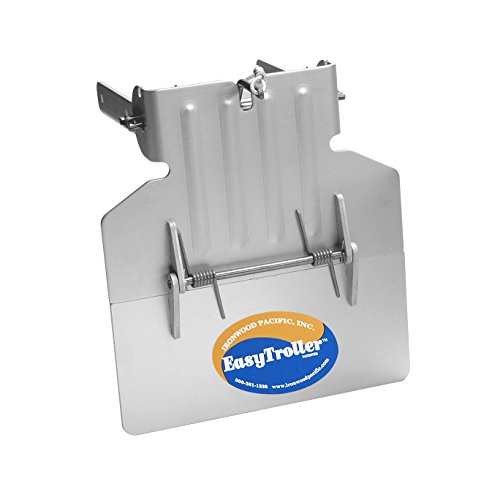
The EasyTroller Standard is designed to slow your trolling speed to about 1 MPH. It mounts directly to the cavitation plate behind the propeller, offering a straightforward installation for many outboards and stern drives. The hinged plate provides ongoing protection if acceleration unexpectedly increases, reducing damage risk.
Best for: Boat owners seeking a dependable, low-profile trolling plate with easy mounting on 50–300 HP engines. Better for: beginners or anglers who want a simple upgrade without extra fins.
Limitation: The standard model relies on basic steering and may be less stable in choppy conditions compared with fin-equipped variants.
Ironwood Pacific EasyTroller Trolling Plate – Standard with Fins

This version adds fins to improve stability and control when trolling at very slow speeds. The fins help track straight and reduce drift, which can be beneficial in windy or current-affected waters. Installation remains straightforward on cavitation plates of 50–300 HP engines.
Best for: Anglers needing steadier tracking and better maneuverability at ultra-low speeds. Choose this if you troll in windy conditions or current-rich waters.
Limitation: Fins add a bit more weight and may require check during maintenance for debris buildup.
Trolling Plate by Haoguo – 50–300 HP

Haoguo emphasizes an anti-damage design with a hinged plate that absorbs impact from sudden accelerations, helping to protect the plate and mounting hardware. The device targets identical trolling speeds around 1 MPH and is compatible with a wide range of engines in the 50–300 HP range. It features a retraction mechanism that reduces splash and allows easier dockside retrieval.
Best for: Those who prioritize protection from rough water and easier retrieval. Better for: boats frequently moving through choppy water or temporary accelerations.
Limitation: The unique retrieval mechanism may involve a learning curve for new users and requires correct rope integration for dry operation.
AQOVOR Trolling Plate for Outboard Motors

AQOVOR presents a robust plate designed to slow trolling to about 1 MPH. It highlights marine-grade anodized aluminum-magnesium alloy and 304 stainless steel construction for corrosion resistance and durability. The plate is intended for compatibility with a broad set of 50–300 HP outboard and stern-drive engines, and includes fins for stabilized tracking.
Best for: Anglers who need a tough, long-lasting plate with strong corrosion resistance. Choose this if you value materials that resist saltwater exposure and want a steady trolling profile.
Limitation: The assembly may be heavier than some alternatives, requiring careful mounting alignment for optimal performance.
Davis Happy Troller Small Trolling Plate

The Davis Happy Troller is a compact trolling plate designed for smaller outboards in the 20–50 HP range. It provides an approachable option for boaters who want a straightforward speed reduction without upgrading a large portion of the propulsion system. Setup tends to be quick and uncomplicated, suitable for smaller craft or light trolling tasks.
Best for: Small boats and light trolling setups where a compact option is needed. Avoid this if your engine is above 50 HP or you require longer plate coverage for heavier hulls.
Limitation: May not deliver the same stability and performance as larger, fin-equipped plates on bigger or faster vessels.
Deargooday Universal Transom Trolling Bracket

This mounting bracket is designed for clamp-on electric trolling motors, offering a quick-release option for easy maintenance and retrofitting. It is not an outboard-specific trolling plate, but it supports flexible trolling configurations by enabling rapid motor removal or replacement on boats with suitable stern areas.
Best for: Boat owners using clamp-on electric trolling motors who want a quick, versatile mounting solution. Choose this if you value easy removal and modular setups.
Limitation: Not a dedicated trolling plate; compatibility depends on your motor and boat stern layout.
Buying Guide: How to Choose the Right Trolling Plate
- Engine compatibility: Confirm the trolling plate supports your engine’s horsepower (commonly 50–300 HP). Match the mounting to your cavitation plate or stern-drive configuration.
- Control and stability: If you fish in windy or choppy water, consider plates with fins or a design known for stable low-speed tracking.
- Durability and materials: Look for corrosion-resistant materials (marine-grade aluminum, stainless steel) and hinge reliability to absorb impacts.
- Installation: Evaluate ease of installation, required tools, and whether the plate mounts directly to the cavitation plate or requires brackets.
- Maintenance: Check for features that simplify cleaning after saltwater use and resistance to debris buildup.
- Retrieval and handling: If dry retrieval or splash reduction matters, consider models with retractable or low-drag designs.
FAQ
- What is the typical trolling speed with these plates?
Most plates target about 1 MPH, enough to create a gentle drift and steady lure presentation. - Can I install a trolling plate on any outboard?
Most plates are designed for 50–300 HP engines; confirm compatibility with your cavitation plate and model. - Do I need fins on my trolling plate?
Fins improve stability, especially in wind or current; they may not be necessary on calm days. - Are there any maintenance concerns?
Regular inspection for hinge wear and corrosion is recommended, especially in saltwater use. - Is a trolling plate a substitute for a trolling motor?
No, it supplements propulsion by slowing speed; trolling motors provide precise, directional control. - What is the difference between standard and fin-equipped plates?
Fin-equipped plates offer better directional stability; standard plates are simpler and lighter.