Choosing the right trailer hitch extension can clear bumper interference, add space for bike racks, and help with easier maneuvering when towing or carrying gear. This guide highlights five well-regarded options that fit 2-inch receivers, explain their key features, and compare how they serve towing versus accessory use. Each selection emphasizes space, strength, and compatibility to help American motorists optimize hitch setups for bikes, cargo carriers, and trailers alike.
| Product | Brand | Extension Length | Receiver Size | Towing Capacity |
|---|---|---|---|---|
| Hitch Extender 7″ (2″ x 2″) | TOPTOW | 7 inches | 2″ x 2″ | Up to 3500 lbs GTW |
| 70521/64121 2″ Extension Riser | TOPTOW | 7″ or 9″ | 2″ x 2″ | Up to 10000 lbs (rated by model) |
| MaxxHaul 7″ 2×2 Extender | MAXXHAUL | 7 inches | 2″ x 2″ | Up to 3500 lbs GTW |
| 12″ 2″ Trailer Extender | TOPTOW | 12 inches | 2″ x 2″ | Up to 3500 lbs GTW |
| Dual Hitch 7.3–9.3″ Extender | POFENZE | 7.3″ to 9.3″ | 2″ x 2″ | Up to 5000 lbs (towing) / 5000 lbs (accessory) |
TOPTOW Hitch Extender: 7 Inch Extension
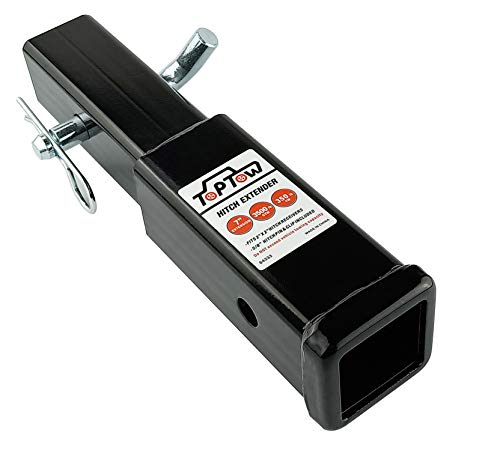
TOPTOW delivers a practical 7-inch extension that increases clearance between the bumper and a hitch-mounted bike rack or cargo carrier. The extender uses a standard 2″ by 2″ receiver and is designed to handle a gross trailer weight up to 3500 lbs and a tongue weight of 350 lbs, making it suitable for mid-size towing setups and accessory configurations. This option emphasizes added space without sacrificing basic load capacity, which is helpful for bike racks with larger profiles or when accessing a spare tire area.
TOPTOW 64121 2-Inch Extension Riser

This TOPTOW model provides a 2-inch by 2-inch receiver with two pin holes, offering a 7″ or 9″ extension length and a 2.25″ drop or rise to level towing systems. A key feature is the adjustable height to align with trailer tongue and bumper contours. An anti-rattle bolt helps minimize movement when the extension is inserted, and the design accommodates standard 2-inch hitch pins or locks for bike racks or cargo carriers.
POFENZE Dual Trailer Hitch Extension

POFENZE offers a dual 2-inch receiver design with a lower towing receiver (up to 5000 lbs) and an upper receiver for bike racks or cargo carriers, plus an adjustable length from 7.3″ to 9.3″. This setup supports separate towing and accessory configurations, with an anti-rattle system that includes a hitch pin, bolt, nut, and clip. It’s ideal for users who need simultaneous towing and reliable accessory mounting, while maintaining alignment with bumper height and vehicle clearance.
TOPTOW 6″ Drop/Riser and 8.5″–10.5″ Extensions

This option centers on a 2-inch receiver with a versatile drop or rise of up to 6 inches and adjustable extension lengths of 8.5″ and 10.5″. The design helps adapt towing height to different bumper heights or load configurations. A 5/8-inch hitch pin and clip are included to secure the connection, making it a practical choice for riders needing a taller clearance for cargo carriers or bike racks while preserving trailer alignment.
POFENZE Dual 7.3″–9.3″ Extension with Anti-Rattle Kit

This dual-receiver extension from POFENZE provides a 7.3″ to 9.3″ extension range with a dual 2-inch receiver setup. The lower receiver is intended for towing up to 5000 lbs, while the upper receiver handles bike racks or cargo carriers. It includes an anti-rattle system with a dedicated hitch pin kit to reduce noise and movement, making it a strong option for users who regularly switch between towing and accessory mounting, all while keeping the system stable and quiet.
Buying Guide: Key Considerations For Hitch Extensions
When selecting a trailer hitch extension for a bike rack or towing, consider these perspectives:
- Receiver compatibility: Most extensions use a 2″ x 2″ receiver. Confirm your vehicle’s hitch and accessories match this size.
- Extension length and clearance: Longer extensions provide more space but can reduce hitch stability. Balance needed clearance with safe towing and maneuverability.
- Weight ratings: Check GTW (gross trailer weight) and TW (tongue weight). Extensions should be sized to handle the combined load of your trailer or cargo along with the bike rack.
- Drop/rise options: If your hitch height differs from the trailer tongue, a drop or rise feature helps align load geometry and maintain level towing.
- Stability features: Anti-rattle bolts, pins, and locking hardware reduce vibration and noise while driving, especially with bikes.
- Dual-receiver versatility: Dual-receiver extensions allow towing and accessory use simultaneously, but ensure the lower receiver is rated for towing and the upper for accessories.
- Durability and material: Most are steel with powder coating for corrosion resistance, important for outdoor use and varying climates.
- Installation considerations: Many require simple pin installation, but some may need anti-rattle bolts or locks for security and performance.
In summary, the right hitch extension depends on your typical load, vehicle compatibility, and whether you prioritize extra space, height adjustment, or dual-receiver functionality. For bike racks and cargo carriers, prioritize models with anti-rattle features and verified towing capacity. For frequent towing, a higher GTW rating and secure pins will help maintain stability on the road.