If you’re looking to convert a small engine or portable generator to run on LPG, propane, or CNG, you’re aiming for cleaner burning fuel and potentially lower running costs. This guide highlights five well-suited kits for common engines like Honda GX, Generac, Champion, Predator, and similar small-displacement units. Each option is described with who it’s best for, why it stands out, and a practical limitation to consider. The buyer-focused table below helps compare core details at a glance.
| Product | Best For | Fuel Compatibility | Note |
|---|---|---|---|
| YAMAKATO Dual Tri Fuel Carburetor | Users with multi-model generators | Gasoline, Natural Gas, LPG | Broad generator compatibility; check exact engine model fit. |
| Carburetor Dual Fuel Conversion Kit For Honda GX | Honda GX160/GX200 users | Gasoline, LPG | Simple upgrade path for common Honda GX engines. |
| Liquid Propane Conversion Kit For Miller Bobcat | Welding generators with forklift-tolevel access | Propane, Gasoline | Designed for specific Miller Bobcat/welders. |
| Hipa GX390 Dual Fuel Carburetor | GX390/GX340/GX420 users, Predator/Generac | Gasoline, LPG/CNG | Wide engine range; verify model match. |
| YAMAKATO 389cc-459cc Tri Dual Fuel Kit | Mid-size generator fleets | Gas/LPG/CNG | Large displacement compatibility; intended for multiple brands. |
YAMAKATO Dual Tri Fuel Carburetor for Predator and More

Best for multi-brand, multi-displacement generators that run on gasoline, natural gas, or propane. This tri-fuel carburetor kit is positioned for Honda GX160/200-sized engines and various 196cc–224cc Champion and other clone engines. It is marketed as OEM-quality and designed for a broad compatibility range, including Generac GP-series and Champion models. This makes it useful for buyers who own different generators or plan to switch fuels without buying multiple kits.
Who it’s best for: owners of mixed-model generators seeking a single conversion solution. Why selected: broad compatibility reduces the need to purchase separate kits. Limitation: verify exact engine model fit, as listings note “for some 196cc–224cc Champion” units and other brands may require additional adjustments.
Carburetor Dual Fuel Conversion Kit For Honda GX Series
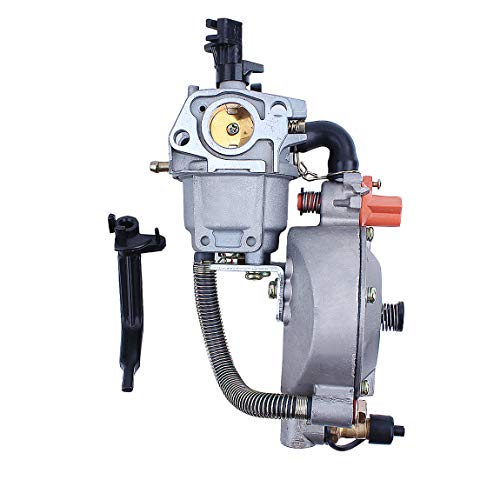
Designed for Honda GX160 and GX200 family engines plus Chinese 168F/170F variants, this kit offers a straightforward path to dual-fuel operation. It includes a carburetor assembly and related hardware, with emphasis on readable instructions and a compatible range of small-to-mid sized generators. Best for: Honda GX engine owners who want an LPG/CNG option without complex rework. Caution: the product notes advise reading the detailed description to ensure engine compatibility before purchase.
Liquid Propane Conversion Kit For Miller Bobcat Welder Generator

Best for welder-generators that operate on propane or gasoline, with direct-hook design to a liquid forklift tank. It’s a complete dual-fuel solution suitable for Bobcat P216G-I and similar models. This kit is ideal for users who need reliable on-site propane fueling for welding tasks. Limitation: ensure your specific Bobcat or welder model is listed in the kit’s coverage and mounting compatibility.
Hipa GX390 188F Dual Fuel Carburetor Kit

Best for users with GX390-powered portable generators, including Predator and Champion variants. The kit includes a dual-fuel carburetor suitable for LPG/CNG conversion and is designed to cover several GX340/ GX390/ GX420 configurations. This makes it a versatile choice for mid-range engines. Caution: verify exact engine model and year compatibility; the listing spans several generators, and some adjustments may be required for optimal performance on non-GX390 units.
YAMAKATO 389cc-459cc Tri Dual Fuel Kit

Best for mid-to-large displacement generators and multiple brand compatibility, including Generac Predator Champion, and Duromax. The kit supports 389cc–459cc engines and is positioned for a wide array of models with GX270/GX340/ GX390 families. It’s useful for fleets where a single kit must service several engines. Limitation: large engines may require more installation space and precise tuning to balance the triple-fuel system across different fuels.
Buying Guide: Key Considerations For LPG And Dual Fuel Conversion
- Engine compatibility: Match the kit to your engine displacement and model. Some listings note broad compatibility, while others specify exact years or series (GX160, GX390, Champion, Generac, etc.).
- Fuel types supported: Decide whether you need gasoline-only, dual-fuel, or tri-fuel capability (gasoline plus LPG/CNG). Dual/tri-fuel options provide flexibility but may require more components and tuning.
- Ease of installation: Some kits include mounting gaskets and adapters; others assume more advanced mechanical work. Consider whether you’ll install it yourself or hire a technician.
- Documentation and support: Look for clear parts lists, wiring diagrams, and installation notes. OEM-quality mentions can indicate closer alignment with OEM specs.
- Availability of spare parts: Ensure replacement jets, gaskets, or hoses are readily available for future maintenance.
- Safety and compliance: LPG/CNG systems involve pressurized fuel lines and regulators. Ensure you follow local regulations and use proper safety practices during installation and operation.
FAQ
- What is LPG conversion for small engines?
– It involves adapting a carburetor and fuel system to run on liquefied petroleum gas, LPG, or propane, sometimes with dual/tri-fuel options for switching between fuels. - Do all generators support LPG conversion kits?
– Not all models are listed for LPG conversion; verify engine model, displacement, and the kit’s fuel compatibility before purchasing. - Is a dual-fuel kit better than a single-fuel kit?
– Dual-fuel kits provide flexibility to switch between gasoline and LPG/CNG, which can be advantageous for fuel availability and running costs, though installation and tuning may be more involved. - What maintenance is needed after installation?
– Regular inspection of gaskets, hoses, and regulators; verify fuel lines for leaks; ensure carburetor jets and seals remain within specification for each fuel type. - Can I install these kits myself?
– Some kits are designed for DIY installation with included hardware; others may require professional assistance to ensure proper fuel delivery and safety. - Will LPG conversion affect warranty?
– Conversion can impact warranties; check with the engine or generator manufacturer and the kit supplier for policy details before proceeding.