Direct answer: rubber pads for boat trailers help protect a hull, cushion impacts, and reduce scratches during loading, transport, and launching. This guide highlights five practical options for common trailer setups, with guidance on who each is best for and why. Ideal buyers include boat owners seeking hull protection, DIY trailer owners upgrading cross members, and anyone needing affordable, durable padding for frequent launches.
| Product | Best For | Key Benefit |
|---|---|---|
| Attwood 11200-1 Bow Stop | Small, snug-fit bows | 80° deep V design for a secure fit |
| Attwood 4×4 Bow Stop | General hull protection | Universal protection with heavy-duty rubber |
| Yarlung Bunk Pads + Glide Enders | Loading and launching ease | Set of pads and enders for smoother slides |
| Tie Down Keel Pad (PVC) | Cross member protection | Non-marking, durable cushion pad |
| CE Smith Frame Cross Member Pad | Keel protection on wide trailers | Sturdy cross member protection pad |
Attwood 11200-1 Boat Trailer Rubber Bow Stop V-Block
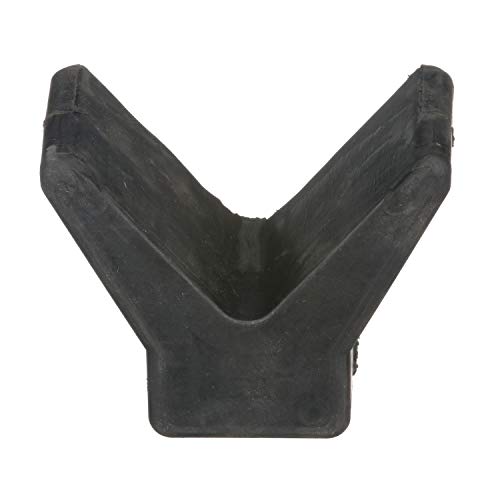
The Attwood 11200-1 uses a Deep V design with an 80° angle to cradle the boat bow for a snug fit. Made from natural black rubber for durability, it is compact at 2 inches by 2 inches with a 3-inch opening, making it suitable for small to midsize bows. Best for owners with compact bow stops seeking a secure contact point without adding bulk. A potential limitation is its small footprint, which may not fit larger bows without a larger block.
Attwood 4-Inch x 4-Inch Rubber Bow Stop V-Block
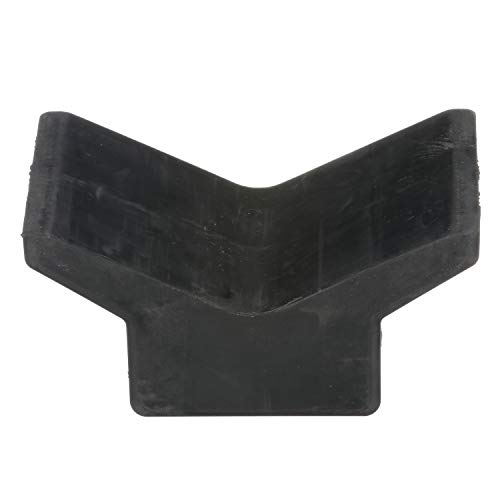
This larger Attwood block provides universal hull protection and enhanced stability by preventing side-to-side shifting during transport. It is molded from heavy-duty natural rubber to act as a resilient buffer against road shocks. Best for boats that require broader contact areas and greater resistance to scuffing. Choose this if your trailer routinely carries larger bows or experiences rougher roads. Limitation: larger size may require more mounting clearance.
Yarlung Set of 10 Boat Trailer Bunk Slides and Glide Enders

The Yarlung kit includes eight bunk slide pads and two glide bunk enders designed to smooth loading and launching. Each piece fits most bunk trailers, with sizes around 10.25 inches long by 3.1 inches wide. Best for fiberglass boats up to about 1,500 pounds and metal boats up to 4,000 pounds, offering a practical, larger-surface solution for frequent launching. Limitation: users should remember to unhook the boat before exiting the water to avoid slides or enders from detaching unexpectedly.
Tie Down Keel Pad – 15″ x 3.5″ PVC

This PVC keel pad provides non-marking hull protection and is designed for cross-member mounting, offering durable protection along the center of the trailer. Best for cross members needing a lightweight, flexible cushion that resists fading and wear. Choose this for simple installation and clear keel protection on a wide range of trailers. Limitation: PVC pads may compress over time under heavy loads, affecting protective thickness.
CE Smith Frame Cross Member Pad – 10″ x 1 1/2″

The CE Smith cross member pad cushions the keel and mounts on the trailing edge of any cross member or axle. It measures 10 inches long by 1.5 inches wide and 3/8 inch thick, offering sturdy protection for a range of trailer sizes. Best for trailers with standard cross members seeking reliable keel protection. Limitation: installation may require drilling or rivets not included in the package.
Buying Guide: Key Purchase Considerations
- Trailer type and cross-member design: Check pad size, mounting method, and whether the pad fits your cross member width and bolt pattern.
- Material durability: Rubber and PVC vary in resilience, UV resistance, and resistance to road salts. Heavier rubber often offers longer life in rugged conditions.
- Contact area and hull fit: Larger contact surfaces distribute impact better, but some hull shapes benefit from a snug V-block design for bow protection.
- Boat weight and hull material: Heavier boats require pads capable of absorbing more shock; fiberglass and metal hulls may have different padding needs.
- Ease of installation: Some pads require rivets or screws; others use friction-fit or simple mounting adhesion. Consider what tools you have.
- Non-marking goals: If you trailer on paved roads, non-marking materials can prevent scuffs on gel coat or paint.
- Maintenance: Look for pads resistant to fading and weathering. UV-stable rubber and fade-resistant PVC extend life on sun-exposed trailers.
FAQ
- Q: What pad size should I choose for a small boat bow? A: For small bows, a 2×2 inch pad can work, but for better protection and stability, a 4×4 inch pad is often more suitable.
- Q: Are rubber pads better than PVC pads? A: Rubber tends to offer greater shock absorption and durability in varied conditions, while PVC pads can be lighter and resistant to marking. Choose based on load and exposure.
- Q: How do I install keel pads on a trailer? A: Most keel pads mount on cross members using rivets or screws. Follow the product’s mounting instructions, ensure alignment with the keel, and tighten hardware securely.
- Q: Can I mix pad types on one trailer? A: Yes, combining bow stops, keel pads, and bunk slides can provide comprehensive hull protection across loading, transport, and launch.
- Q: Do these pads affect trailer weight or balance? A: Pads add minimal weight, but their distribution can influence balance if installed asymmetrically. Install symmetrically where possible.
- Q: How long should padding last with regular use? A: Durability depends on material, UV exposure, and road conditions, but high-quality rubber pads typically outlive basic PVC options in harsh environments.