For ongoing protection from road debris and scratches, choose a clear automotive paint protection film such as XPEL, 3M, or VViViD. For temporary protection while painting, pre-taped masking film from Tangibay or Papamood is the better fit. These products serve different purposes: clear PPF stays on a vehicle’s painted surface, while masking film covers areas during painting and is removed afterward.
| Product | Best For | Type |
|---|---|---|
| XPEL Clear Paint Protection Film | High-impact vehicle zones | Clear PPF |
| 3M Clear Paint Surface Protection Film | Reducing chips and road damage | Clear PPF |
| VViViD 3M Clear Paint Protection Film | Small areas needing thicker film | Clear PPF |
| Tangibay Pre-Taped Masking Film, 22-inch | Automotive refinishing and home painting | Temporary masking |
| Papamood Pre-Taped Masking Film | Painting with heat exposure | Temporary masking |
XPEL Clear Paint Protection Film

Best for: Drivers seeking clear, ongoing protection for high-impact areas such as bumpers, hoods, fenders, and mirror caps. The listed 6-by-60-inch roll is intended to help shield vehicle paint from chips, scratches, road debris, and environmental wear.
Installation requires surface cleaning and preparation. The product directions describe using a slip solution to position the film, followed by a squeegee to remove bubbles. This makes XPEL a fit for buyers comfortable with careful film application or arranging help with installation.
Limitation: The listed roll is a specific size, so check the area you plan to cover before choosing it. The product information describes an installation process but does not specify that the film is self-healing.
3M Clear Paint Surface Protection Film
Best for: Buyers looking for a clear film intended to reduce paint chips and road damage. The product is described as a virtually invisible, 6-mil polyurethane film with adhesive backing.
Its clear construction is useful when the goal is to add a protective layer without making the film a prominent visual feature. The 6-by-84-inch format is a consideration when planning coverage for a particular body panel or smaller painted area.
Limitation: The listed product details do not describe self-healing properties or a step-by-step installation method. Measure the target area and confirm the roll dimensions suit your project.
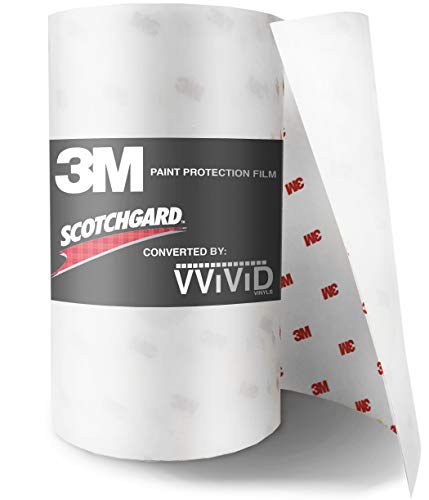
VViViD 3M Clear Paint Protection Film

Best for: Small paint protection jobs where a 4-inch-wide strip is useful. The listed film is 8 mil thick, clear polyurethane with adhesive backing, and is described as helping reduce paint chips, scratches, and road-debris damage.
Compared with the listed 6-mil 3M film, this option has a greater stated thickness. Choose it if that thickness and narrow width match the area you intend to cover. It is not a substitute for a wider roll when protecting broad panels.
Limitation: The example size is 4 inches by 25 inches, so it is suited to limited coverage rather than large sections of a vehicle.
Tangibay Pre-Taped Masking Film

Best for: Automotive refinishing or home painting when surrounding surfaces need temporary coverage. Each 22-by-66-foot roll combines ¾-inch painter’s tape with HDPE plastic sheeting, which can reduce the need to apply tape and plastic separately.
The listed features include tear-resistant film, static cling, and a stated ability to withstand temperatures up to 244°F for 30 minutes. This is a masking product, not clear PPF for long-term protection against road chips.
Limitation: It is intended to cover areas during painting, then be removed; it is not designed as a permanent vehicle paint layer. Follow the product’s use directions for surface preparation and removal.
Papamood Pre-Taped Automotive Masking Film

Best for: Buyers who need temporary masking for automotive or home painting and want two rolls of 22-by-66-foot film. The product combines tape and HDPE sheeting, and its listed features include tear resistance and heat resistance up to 230°F for 30 minutes.
Papamood may suit projects where the stated heat limit matches the painting or curing process. Its tape-and-film format can simplify covering adjacent panels or surfaces compared with assembling separate materials.
Limitation: Its stated temperature tolerance is lower than Tangibay’s listed maximum. Do not treat either masking product as a lasting clear paint protection film.
Buying Guide: How to Choose Plastic Paint Protection Film
Do you need permanent protection or temporary masking?
Start with the job. Clear PPF is intended to remain on painted vehicle surfaces and help reduce chips, scratches, and road damage. Pre-taped masking film is used to cover surfaces during painting and is removed afterward. A plastic drop cloth or general-purpose sheeting can protect floors and furniture, but it is not the same as automotive PPF.
What area do you need to cover?
Measure the panel or section before selecting a roll. The listed clear-film options vary in dimensions, and the VViViD example is only 4 inches wide. Narrow film can suit small areas, while larger or irregular panels require planning for seams and coverage. Masking rolls are wider, but their purpose is temporary paint protection.
Which film details matter most?
- For clear PPF: Compare the stated width, length, thickness, adhesive backing, and intended protection.
- For masking film: Compare roll dimensions, tape width, tear resistance, and stated heat tolerance.
- For installation: Check whether the product information provides application instructions and whether you can prepare the surface carefully.
Should you install clear film yourself?
The XPEL instructions describe cleaning and preparing the surface, positioning film with slip solution, and squeegeeing out bubbles. These steps require care for a smooth result. Check the selected product’s instructions and consider whether the panel shape and film size are manageable before beginning.
Frequently Asked Questions
Is plastic masking film the same as paint protection film?
No. Automotive PPF is a clear film intended to protect painted surfaces during regular vehicle use. Masking film is temporary sheeting used to cover surfaces during painting.
Which product is best for protecting a car from road debris?
The clear PPF options are the relevant choices. XPEL is described for high-impact zones, while 3M and VViViD are described as helping reduce chips and road damage.
Can pre-taped masking film stay on a car permanently?
No. It is described as a temporary cover for painting, not as a long-term protective layer.
How do I choose the right roll size?
Measure the target area, then compare its dimensions with the roll’s width and length. Account for the amount needed to cover edges and any planned seams.
Does thicker PPF always mean better protection?
Thickness is one comparison point, but the provided product details do not establish that thickness alone determines overall protection. Also consider film dimensions, intended use, and installation requirements.