Answering the search for a reliable pin hitch to ball coupler setup, this guide highlights five practical options that align with common towing needs. It helps truck- and trailer-owning buyers decide which coupler or pin system best fits their trailer tongue and hitch ball size. This overview targets do-it-yourselfers, RV campers, utility trailer owners, and boat trailer operators who want quick, secure connections without complex latching mechanisms.
| Product | Brand | Capacity | Channel / Ball |
|---|---|---|---|
| CURT 25470 QuickPin No-Latch Trailer Coupler | CURT | 3,500 lbs | 2-Inch Ball, 2-Inch Channel |
| CURT 25472 QuickPin No-Latch Trailer Coupler | CURT | 3,500 lbs | 2-Inch Ball, 3-In Channel |
| NBJINGYI Straight Trailer Coupler | NBJINGYI | 3,500 lbs | 2-Inch Ball, 2-Inch Channel |
| CURT 25011 Trailer Coupler Pin | CURT | Varies by use | Fits multiple couplers |
| Fasmov Straight Trailer Tongue Coupler | Fasmov | 3,500 lbs | 2-Inch Ball, 2-Inch Channel |
CURT 25470 QuickPin No-Latch Trailer Coupler
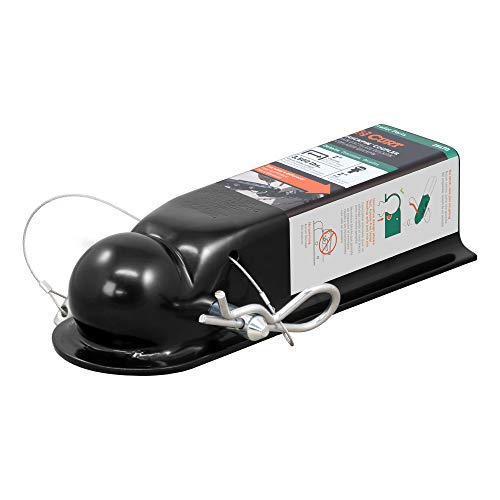
Best for quick-connect towing where latch wear is a concern. The QuickPin design uses a single pin to secure the trailer tongue to the hitch ball, eliminating a traditional latch. This reduces potential jam points and makes coupling faster, ideal for frequent hitching on flat, paved, or well-maintained surfaces. Best for owners who value simplicity and speed over adjustable tension in the latch area.
Who it’s best for: frequent shippers, RV campers, and fleet trailers that prioritize ease of use and minimal maintenance. Why selected: its no-latch, one-pin system reduces moving parts and potential failure points during daily towing.
Caution: only the included 1/2-inch pin should be used; no replacements are provided, which may limit compatibility with slightly different pin standards.
CURT 25472 QuickPin No-Latch Trailer Coupler

Designed for 2-inch hitch balls and 3-inch channel tongues, this variant is best for trailers with deeper channels or where a larger tongue width is common. The QuickPin concept keeps coupling fast without adjusting latches, making it ideal for maintenance crews, boat trailers, or campers who frequently detach and reattach at marinas or campsites. Choose this if your channel width or tongue depth differs from standard models.
Who it’s best for: owners with 2-inch balls and 3-inch channel tongues seeking a faster, latch-free experience. Why selected: expands the QuickPin family to accommodate deeper channels while preserving the one-pin approach.
Caution: ensure your trailer’s channel width is compatible with the 3-inch channel specification before purchasing.
NBJINGYI Straight Trailer Coupler

Best for standard 2-inch ball and 2-inch channel setups with robust weight capacity. This straight coupler is designed for heavier loads, such as mid-sized boats or utility trailers. The integrated quick-release latching system aids in rapid attachment and detachment, especially useful in marina or work-site environments. Its zinc-plated steel build helps resist corrosion in outdoor settings.
Who it’s best for: boat and utility trailer owners needing straightforward operation with solid capacity. Why selected: combines a quick-release mechanism with a reliable 3,500-lb rating for common recreational and work trailers.
Caution: verify channel width and ball diameter across your fleet, as mismatches can impede a secure fit.
CURT 25011 Trailer Coupler Pin

Best for universal compatibility with a wide range of couplers and security needs. The 5/16-inch diameter and 3-inch length design supports multiple coupler latch holes, jack wheels, or pintle hooks. The included square retainer clip and spring steel construction help minimize pin loss and rattling. The pin’s versatility makes it a practical spare for RVs and equipment trailers.
Who it’s best for: owners who want a versatile, standard-size pin for various couplers. Why selected: reliability and broad applicability across many trailer setups.
Caution: ensure exact diameter and length fit your specific latch holes to avoid loose connections.
Fasmov Straight Trailer Tongue Coupler

Best for 2-inch ball compatibility with 2-inch channel width and up to 3,500 lbs. The galvanized finish offers rust and corrosion resistance in challenging conditions, improving longevity when towing in wet or salty environments. The built-in posi-lock spring and adjustable nut help achieve a snug ball fit, reducing wobble during travel.
Who it’s best for: owners who want a durable, corrosion-resistant option with adjustable tension for a tight connection. Why selected: strong corrosion protection and easy adjustment contribute to reliable towing in varied weather.
Caution: installation alignment matters; ensure the coupler aligns cleanly with the ball to prevent premature wear.
Buying Guide: Pin Hitch To Ball Coupler Essentials
- What hitch ball size do you use? Most trailers use 2-inch balls. Confirm your ball diameter before choosing a coupler or pin.
- Channel width compatibility matters. Check whether your trailer tongue is 2 inches or 3 inches wide and match the coupler’s channel width.
- Latch versus no-latch designs. A no-latch QuickPin system speeds coupling but may require precise pin alignment. Latching designs offer adjustable tension but can wear over time.
- Weight rating considerations. Ensure the chosen coupler’s capacity covers your GTW (Gross Trailer Weight) plus any payload. Do not exceed stated limits.
- Pin durability and security. Consider pins with stainless steel or zinc plating and robust retainers to minimize pin loss and vibration.
- Ease of maintenance. Fewer moving parts typically mean lower maintenance. If you tow in frequently wet or salty environments, corrosion resistance is key.
- Installation and removal frequency. For frequent hitching, prioritize quick-connect designs. For occasional use, standard couplers with pins may be sufficient.
Frequently Asked Questions
- What is a QuickPin no-latch trailer coupler? It is a coupler that secures the trailer tongue to the hitch ball using a single pin without a traditional latch mechanism, speeding attachment and reducing failure points.
- Are 2-inch ball and 2-inch channel couplers universal? Many are standard, but always verify both the ball size and channel width on your trailer tongue to ensure a correct fit.
- Can I use any pin with a trailer coupler? Pins have specific diameters and lengths; use the pin recommended for your coupler model to avoid improper fit or safety risks.
- How do I know if a coupler is rated for my trailer weight? Check the manufacturer’s capacity listing and compare it to your GTW, ensuring the load stays within limits.
- Is corrosion resistance important for trailer pins and couplers? Yes, especially for boats, saltwater environments, or outdoor storage. Zinc plating and stainless materials offer better longevity.
- What are common signs of wear on a pin or coupler? Look for bent pins, loosened retainers, rust, or wobble in the connection, which indicate replacement or maintenance is needed.