For American drivers, staying ahead of vehicle issues means having reliable on-the-go diagnostics. The following hand-held OBD2 scanners and wireless tools offer quick fault code reading, live data, and essential repairs guidance without a trip to the shop. This article highlights five top picks that blend accuracy, ease of use, and broad vehicle compatibility, helping you decide which mobile diagnostic solution fits your needs and budget.
| Product | Brand | Key Benefit |
|---|---|---|
| ANCEL AD310 Classic Enhanced Universal OBD II Scanner | ANCEL | Fast read/clear, live data, compact design |
| FIXD Bluetooth OBD2 Scanner | FIXD | Cost transparency with repair estimates and app guidance |
| UMEIJA V011 OBD2 Scanner | UMEIJA | 9 protocols, comprehensive readings, intuitive visuals |
| MOTOPOWER MP69033 OBD2 Scanner | MOTOPOWER | Wide protocol support, clear LCD, no battery needed |
| FOXWELL NT604 Elite | FOXWELL | 5-in-1 diagnostic for ABS, SRS, engine, transmission, live data |
These options offer a range of capabilities—from basic code reading to full-system diagnostics—so you can pick the device that best suits your DIY needs, vehicle type, and preferred data presentation. Below are five detailed product sections with concise feature references to help you compare at a glance.
ANCEL AD310 Classic Enhanced Universal OBD II Scanner

The ANCEL AD310 is a compact, durable OBD2 scanner designed for quick fault code reading and clearing for 1996 and newer vehicles. It supports reading and clearing diagnostic trouble codes, viewing live data and freeze frames, and monitoring I/M readiness. The device is powered through the vehicle’s OBDII port, with a sturdy 2.5-foot cable and a clear, easy-to-use interface. It emphasizes speed and accuracy in pinpointing emission-system issues, making it a practical tool for homeowners and mobile mechanics alike.
FIXD Bluetooth OBD2 Scanner
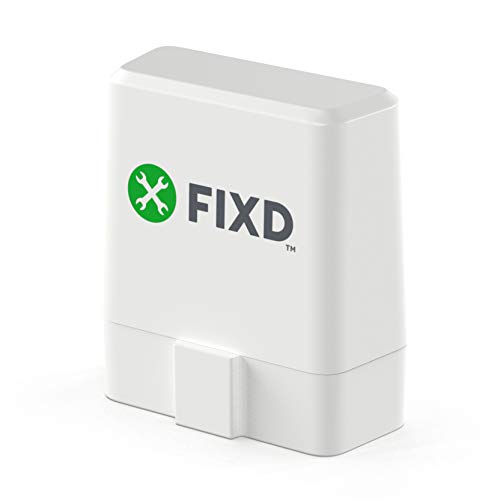
FIXD provides a wireless diagnostic experience that pairs with a smartphone app to deliver real-time engine data and a clear repair estimate. It supports thousands of issues across many makes and models from 1996 onward. FIXD also offers a premium trial for expanded features, including expert guidance from ASE-certified mechanics. This tool is suited to owners who want proactive maintenance insights and cost-aware decision-making, all accessible from an iPhone or Android device.
UMEIJA V011 OBD2 Scanner

The V011 offers a comprehensive diagnostic package with support for nine protocols and features like live data streaming, fault code clearing, DTC definitions, I/M readiness checks, and VIN retrieval. Its user-friendly app interface presents data in charts, aiding quick interpretation for both beginners and experienced drivers. While thorough, it remains approachable for on-the-road diagnostics, inspections, and routine maintenance planning.
MOTOPOWER MP69033 OBD2 Scanner

The MP69033 focuses on a robust, no-fuss experience with a 2.8″ LCD and built-in OBD2 DTC lookup. It supports multiple protocols to cover most 1996 US, 2000 EU/Asian, and newer CAN vehicles. Its screen-backed display provides real-time data readouts, including engine temperature, speed, and fault codes. It’s battery-free—powered directly via the vehicle—making it a dependable choice for quick checks and on-site diagnostics.
FOXWELL NT604 Elite OBD2 Scanner

The FOXWELL NT604 Elite expands diagnostics to ABS, SRS, and transmission status in addition to engine codes. The 2025 model promises ready-to-use functionality straight out of the box, with a 5-in-1 capability profile. It also includes data logging, live data streaming, and a compact ergonomic design. It’s positioned as a practical option for car enthusiasts and DIYers who want a broader diagnostic view on a single device.
Buying Guide: Key Purchase Considerations
- Vehicle compatibility: Look for a device that supports 1996 and newer vehicles, with broad coverage for US, EU, and Asian models. If your fleet includes older or unique vehicles, verify OBD1/2 compatibility and the necessary adapters.
- Functionality: Decide between basic code reading and full-system diagnosis. If you rely on proactive maintenance, prefer tools with live data, I/M readiness, VIN retrieval, and data graphing.
- Connectivity: Wired vs. wireless: Bluetooth/Wi-Fi adapters offer convenience but require a compatible app and stable pairing. Built-in handheld units don’t rely on a mobile device but may have smaller screens.
- Data presentation: Clear fault-code libraries and user-friendly visuals help minimize guesswork. Look for devices with robust DTC libraries and readable live data graphs or charts.
- Ease of use: Consider tool design, button layout, and whether setup is plug-and-play or requires software updates. For beginners, an intuitive app with guided explanations adds value.
- Durability and portability: Home or garage use benefits from rugged construction and compact form factors. A durable cable and a sturdy housing reduce accidental damage.
- Cost vs. value: Software upgrades, premium trial options, and ongoing support influence long-term value. Some tools offer repair estimates or expert guidance for a more holistic experience.
When selecting a mobile diagnostic tool, prioritize your typical use cases: simple check engine light reads, real-time performance monitoring, or comprehensive multi-system diagnostics. For vehicle owners who want actionable repair insight, tools with robust DTC definitions and maintenance guidance are especially valuable. For hobbyists, a straightforward interface paired with a helpful app can save time and money on routine inspections, while fleet operators may benefit from features like VIN retrieval, data logging, and multi-language support.
In the end, the best choice depends on how you drive, the types of vehicles you own, and how deeply you want to dive into engine and system performance. The options listed above cover a spectrum from compact, affordable readers to more feature-rich, multi-system scanners suitable for budget-conscious individuals and professional DIYers alike.