Choosing the right hub motor can transform an electric motorcycle or scooter, delivering smoother acceleration, better hill-climbing ability, and improved battery efficiency. This guide compares five popular hub motor options, highlighting key specs, compatibility, and performance considerations. Whether you’re building a DIY e-bike, upgrading an electric scooter, or converting a motorcycle to electric propulsion, these hub motors offer a range of wattage, voltage, and mounting configurations to fit various projects. Use the buying guide at the end to compare features and select the best match for your riding style and budget.
Summary of chosen products
Product | Motor Type | Voltage Range | Key Strengths
1. 14 inch 36V‑72V 1000‑5000W | Brushless DC Hub Motor | 36V–72V | Lightweight aluminum, double Hall sensors, strong acceleration
2. QS 205 Motor150mm Dropout | Hub Motor | 72V (typical) | 3000W, compact dropout, solid torque
3. NB POWER 200mm Dropout QS 273 | Spoke Hub Motor | 72V | High power (8000W–11280W), customizable speed
4. Hub Motor 24V 4 Inch | Brushless Hub Motor | 24V | Small form factor, efficient, versatile for off-road
5. Motorcycle Hub Motor Conversion Kit 1000W | Rear Hub Motor Kit | 48V–72V (typical) | Complete kit with five-speed gear, SW900 display
Lightweight 14 Inch Hub Motor With Dual Hall Sensors
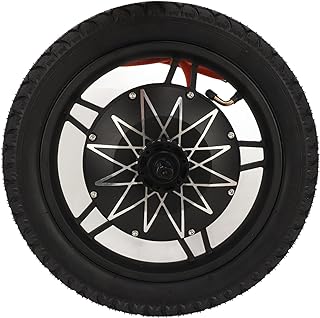
This 14-inch hub motor is designed for lighter builds and outdoor durability. Built from aluminum alloy, it emphasizes high hardness and stability, helping riders maintain performance in varied weather and terrain. The motor uses dual Hall sensors to optimize power output, enhancing acceleration and top speed while supporting safer handling. Its efficient electronic control contributes to smoother rides and better slope climbing, making it suitable for lightweight electric motorcycles and balance vehicles seeking reliable upshifts and responsive throttle control.
QS 205 Motor 3000W Dropout Hub for Electric Vehicles

The QS 205 motor features a 150-155mm dropout and a robust 3000W capacity, making it a strong option for higher-performance builds. With an M16*10mm axle specification, it aligns with many common motorcycle and scooter frames, simplifying installation for DIY enthusiasts. This motor emphasizes power delivery and reliability, supporting rapid acceleration and reliable torque for riders who want a responsive ride without frequent maintenance concerns.
NB POWER 200mm Dropout QS 273 Spoke Hub Motor

This high-power hub motor from NB POWER uses a 273 motor with a 50H design and a 72V system, offering peak power up to 14,000W and a continuous rating around 11,280W. The 72V (with 72–144V optional) configuration supports high-speed electric motorcycles and customized performance. The spoke hub construction adds durability for rugged riding, and the kit approach supports tuning for top speed or strong hill performance depending on gearing and controller choices.
Hub Motor 24V 4 Inch For Off-Road And Street Use

This small 4-inch hub motor pack emphasizes efficiency and reliability for lightweight electric motorcycles and off-road scooters. Powered by 24V, it delivers solid torque with minimal energy loss, supporting extended battery life. The brushless design reduces maintenance needs and noise, contributing to smoother operation on varied terrains. Its compact form makes it suitable for compact builds or tight chassis spaces where space-saving performance matters.
1000W Rear Hub Motor Kit With Five-Speed Gear

This conversion kit centers on a 1000W rear hub motor with a five-speed gear system and an SW900 display, designed for DIY e-bikes and small motorcycles. The kit uses premium aluminum, iron, and copper components to deliver strength and longevity, resisting deformation and corrosion. It features a rated speed around 470 r/min, enabling efficient performance across common urban and suburban routes. The gear system adds control options for riders seeking a more nuanced throttle and consistent high-speed performance.
Buying Guide: Key Purchase Considerations And Comparisons
When selecting a hub motor, consider these dimensions to match your project goals and riding style:
- Voltage and power: Higher voltage systems (72V and above) support greater peak power and faster acceleration, but require compatible controllers, wiring, and battery packs. Decide between a lightweight build (lower voltage, lighter weight) or a high-performance setup (higher voltage, more torque).
- Torque and wheel size: Wheel diameter and dropout width influence torque delivery and mounting compatibility. Larger wheels can benefit from higher torque motors; ensure the hub fits your frame or fork.
- Controller compatibility: A motor’s performance hinges on a matching electronic controller. Verify current ratings, temperature handling, and throttle compatibility to avoid overheating or throttle inconsistencies.
- Motor construction: Aluminum housings offer lightness and corrosion resistance, while spoke hub designs provide durability for rugged terrains. Consider whether a fixed-stator or wheel-hub setup better fits your frame design.
- Sensors: Double Hall sensors or more provide smoother acceleration and better control, especially at low speeds. Sensor choice affects throttle response and safety.
- Maintenance and serviceability: Brushless designs typically require less maintenance than brushed motors. Look for robust bearings, water resistance, and easy access to components for upgrades.
- Installation complexity: Some kits include full assemblies with displays and gearing, while others are bare hub motors requiring additional Fabrication. Assess your DIY skills and available tools.
- Warranty and support: Check manufacturer warranties and availability of replacement parts to protect your investment after installation and testing.
Performance considerations for different riding goals:
- Urban commuting: Prioritize lightweight and compact hubs with reliable torque and efficient cooling to optimize battery life and predictable acceleration.
- Hill climbing: Look for higher torque motors or geared kits that deliver steady pull at moderate speeds and maintain momentum on inclines.
- High-speed builds: Choose higher voltage systems with robust cooling and a compatible controller to sustain fast acceleration without overheating.
- Durability and reliability: Spoke hub motors offer robust construction for rugged terrain, while solid aluminum hubs can reduce weight and resistance to wear.
In summary, the best choice balances power, weight, compatibility, and maintenance. For DIY enthusiasts, modular kits with clear installation instructions and a compatible display are often the easiest path to a reliable upgrade. For riders prioritizing performance, higher voltage and higher wattage hubs paired with a capable controller can unlock significant speed and acceleration gains, provided battery capacity and thermal management are adequately addressed.