When choosing a horizontal shaft small engine, buyers look for reliability, power, fuel efficiency, and compatibility with common attachments like go-karts, log splitters, and lawn equipment. The following selection highlights popular 212cc and 200cc class engines that deliver solid performance for a range of projects. Each entry includes key specifications, compatibility notes, and practical considerations to help guide a purchase that fits your needs.
| Product | HP / CC | Displacement & Shaft | Key Feature |
|---|---|---|---|
| maXpeedingrods 7HP 212cc (Electric Start) | 7 HP / 212cc | 3/4″ shaft, 3/16″ keyway | Electric + recoil start; versatile for go-karts and more |
| BILT HARD 7HP 212cc | 7 HP / 212cc | 3/4″ shaft, 3/16″ keyway | EPA compliant; wide mounting compatibility |
| 212CC Engine 7.5 HP Go-Kart | 7.5 HP / 212cc | Unknown shaft sizing noted; 20mm crankshaft in notes | High power; suitable for go-karts and trailers |
| maXpeedingrods 7HP 212cc (4-Stroke) | 7 HP / 212cc | 3/4″ shaft, 3/16″ keyway | OHV design; efficient for multiple attachments |
| 200CC 6.5HP Horizontal Shaft | 6.5 HP / 200cc | 20mm crankshaft; recoil start | Long fuel range; safety features and oil system |
MaXpeedingrods 7HP 212cc Electric Start Engine

The MaXpeedingrods 7HP 212cc gas engine is a four-stroke OHV unit designed for horizontal shaft applications. It features a 3/4″ diameter shaft with a 3/16″ keyway and a 2.43″ shaft length, suitable for go-karts, log splitters, lawn mowers, and water pumps. The engine is EPA certified and offers both electric start and recoil start options, making starting convenient in diverse setups. A 3.6-liter fuel tank and 0.6-liter oil capacity support extended use between refuels and oil top-ups. Applications span from power equipment to small industrial machines, with an emphasis on reliability and versatility.
Key considerations include ensuring proper mounting patterns in your equipment, verifying shaft tolerances for your clutch or pulley system, and confirming electrical wiring compatibility for the electric start. The dual-start capability adds redundancy if one starting method is unavailable. This engine’s versatile power makes it a popular choice for mid-sized projects requiring dependable horsepower without oversizing form-factor.
BILT HARD 7HP 212cc Horizontal Shaft Engine
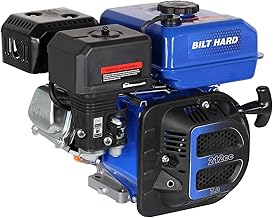
Designed as a robust replacement engine, the BILT HARD 7HP 212cc engine uses a 3/4″ shaft with a 3/16″ keyway. It measures roughly 6.40″ long by 2.95″–3.17″ wide in mounting footprint and delivers up to 8.1 ft-lb of torque at 2500 RPM, with a top speed near 3600 RPM. The 0.9-gallon fuel tank supports longer operation between refueling. This model is compatible with a broad range of equipment, including cement mixers, compressors, log splitters, vacuums, water pumps, and chipper shredders, making it a flexible replacement option across brands like Honda and Briggs & Stratton.
Pros include EPA compliance, solid torque for demanding tasks, and a mounting footprint suitable for many existing frames. Consider potential fitment challenges with non-standard mounting patterns and verify belt/pulley alignment with your drive system before purchase.
212CC Engine 7.5 HP Go-Kart Engine

This 212cc go-kart engine outputs 7.5 horsepower and operates at up to 3600 RPM. Note that the crankshaft diameter is 20 mm, which is larger than the standard 3/4-inch size, so buyers should confirm compatibility with their drive system and mounts before purchase. The engine uses a 0.65-liter oil capacity as a baseline for oil checks, and a 0.8-gallon fuel tank supports extended running times. The exterior design emphasizes heat dissipation through numerous vent openings to maintain performance during longer sessions.
Considerations include confirming shaft sizing and end-thread specifications (some models use different thread pitches) to ensure a proper fit with your clutch and pulley assemblies. The higher 7.5 HP rating provides a quick boost for go-kart performance and other high-demand tasks, but ensure your frame, fuel system, and exhaust routing accommodate the extra heat and torque.
MaXpeedingrods 7HP 212cc (4-Stroke) Horizontal Shaft Engine
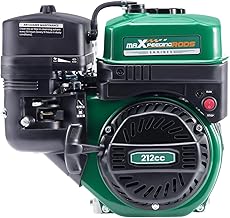
This MaXpeedingrods engine mirrors the 7HP 212cc class with a 3/4″ shaft and 3/16″ keyway, plus a 2.43″ shaft length and 5/16″-24 threaded end. The engine uses an OHV design to deliver power efficiently and supports a range of applications from go-karts to water pumps. The 3.6-liter fuel tank and 0.6-liter oil capacity are standard for this size, while EPA certification confirms emissions compliance. A key advantage is its dual-start system (electric and recoil), which provides flexibility in varying conditions.
Users should assess the overall mounting footprint and ensure appropriate space for the air intake and exhaust paths. The engine’s broad compatibility makes it a versatile upgrade or replacement option for builders seeking reliable horsepower in compact form factors.
200CC 6.5HP Horizontal Shaft Engine

The 200cc engine delivers 6.5 horsepower with a horizontal shaft and a 20 mm crankshaft noted in the product details. It features a recoil start mechanism, a robust cast-iron cylinder liner for durability, and a 1.72 gallon (6.5 liter) fuel tank, which supports longer operation between fills. Safety features include an oil alarm to protect against low-oil conditions, and the design emphasizes a balance between power and reliability for mowers, go-karts, tillers, and similar equipment.
When selecting this engine, verify the exact shaft diameter and keyway to ensure a proper fit with your clutch or drive system. The larger crankshaft size compared to some 3/4″ models may require adapter plates or altered mounting configurations. For projects prioritizing longer run times and strong mid-range torque, this engine can be a solid match.
Buying Guide: Key Purchase Considerations And Comparisons
Power, displacement, and torque
Horizontal shaft engines in the 200cc–212cc range provide a practical balance of power and weight for mid-sized equipment. Look for clean torque curves at practical RPM ranges (around 2500–3600 RPM) to ensure consistent performance under load in go-karts, log splitters, and mowers. Higher horsepower numbers generally translate to quicker starts and faster operation, but may also increase fuel consumption and heat output.
Shaft size, keyway, and mounting
Most engines in this category use a 3/4″ shaft with a 3/16″ keyway and a specific end thread (commonly 5/16″-24). Confirm shaft diameter, length, keyway width, and thread pitch to match pulleys, couplers, and attachments. Some models list slightly different crankshaft diameters (for example, 20 mm), which can require adapters or different mounts.
Starting options and ease of use
Many engines offer both electric start and recoil start, providing convenience when a battery or electrical system is unavailable. Electric start reduces effort in frequent use scenarios, but ensure you have a compatible battery and wiring setup. Recoil starters offer reliability in remote or field conditions where batteries may drain.
Fuel capacity and efficiency
Fuel tank capacity directly affects runtime between refills. Engines in this segment commonly feature multiple-liter tanks (0.6–3.6 liters) depending on displacement and design. Four-stroke OHV configurations enhance fuel efficiency and reduce emissions, which is advantageous for long-running tasks and compliance requirements.
Durability, materials, and warranty
Look for engines with sturdy construction (cast iron liners, quality aluminum housings) and attachments rated for continuous operation. EPA certification signals regulatory compliance and a more stock-friendly emission profile. Check warranty terms and service support from the manufacturer or seller to minimize downtime in case of issues.
Applications and compatibility
These engines are versatile: go-karts, lawn equipment, log splitters, compressors, water pumps, and more. Before purchasing, confirm mounting patterns, torque handling, and cooling provisions to ensure your existing frame or equipment can accommodate the engine without major retrofits.