If you’re dealing with leaks in gear oil systems, a reliable stop-leak additive can help seal leaks and extend life. This guide focuses on gear oil applications and targets buyers seeking practical, install-and-go solutions. The top picks below are selected for different use cases, from axle and differential leaks to engine-related gear oil seals. Readers will find who each product is best for, plus quick cautions to consider before use.
| Product | Best For | Why It Stands Out | Limitations |
|---|---|---|---|
| Bar’s Leaks Axle and Differential Gear Repair (16.9 Oz) | Heavy-duty gear oil systems, including agricultural and marine | Targets pinions, axles, output shafts and other seals; anti-wear protections | May require multiple treatments for extensive leaks |
| Bar’s Leaks 1816 Differential Gear Repair (16.9 oz, Case of 4) | Fleet or multiple-vehicle maintenance | Similar seal conditioner and anti-wear benefits; leak reduction | Case of 4 may be overkill for a single vehicle |
| ATP Automotive AT-205 Re-Seal Stops Leaks (8 oz) | Engines, transmissions, differentials, hydraulic systems | Professional-strength resealer; versatile across oil types | Smaller bottle; may need more frequent top-offs |
| Liqui Moly Gear-Oil Leak Stop (50 ml) | Leaking gear oil seals in mixed equipment | Reduces oil loss and environmental impact; supports lubrication | Smaller quantity; designed for select systems |
| Lucas Oil 11100 Engine Oil Stop Leak (1 Quart) | Engine oil seals and related gear oil interfaces | Long-lasting seal conditioning and wear reduction components | Engine-focused; not gear-only but compatible |
Bar’s Leaks Axle and Differential Gear Repair
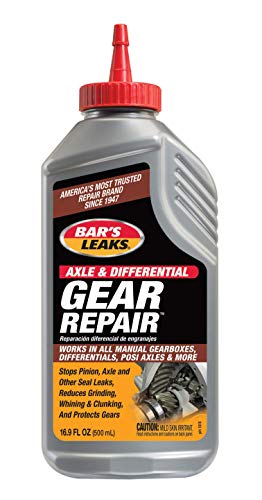
This product is designed to stop leaks in pinion seals, axles, and output shafts, using anti-wear and seal-conditioning agents. Best for owners facing leaks in automotive, heavy-duty, agricultural, marine, or industrial gear oils. It helps extend system life by reducing leaks and noise while improving gear performance. Suitable for a broad range of gear oil systems but may require repeated use if multiple seals leak or for severe leaks.
Who it’s best for: Fleet managers or individual owners with axle or differential leaks seeking a single, versatile stop-leak solution. Why selected: Proven seal conditioning and anti-wear protection support ongoing gear oil operation.
Caution: For severe or ongoing leaks, consider professional assessment and follow label usage guidelines to avoid over-treatment.
Bar’s Leaks 1816 Differential Gear Repair

Engineered for differentials and related gear oil systems, this product stops leaks and provides anti-wear protection. It’s a practical choice for vehicles with stubborn differential leaks across various industries. The formula also aims to reduce noise and improve overall gear performance. It’s best for motorists who need a dependable, ongoing leak-prevention approach rather than a quick fix.
Who it’s best for: Vehicle owners with frequent differential or seal leaks looking for a durable, multi-application additive. Why selected: Similar formulation to other Bar’s Leaks products with emphasis on seal conditioning.
Caution: Not a guaranteed fix for large, continuous leaks; monitor oil levels after application.
ATP Automotive AT-205 Re-Seal Stops Leaks

AT-205 Re-Seal is a professional-strength resealer designed to rejuvenate rubber seals and gaskets in engines, transmissions, power steering, differentials, and hydraulic systems. It’s compatible with conventional and synthetic oils, including gear oil and ATF. This makes it a versatile stop-leak option for mixed-use systems. It’s best for those who want a single product that can address multiple seals across different subsystems.
Who it’s best for: Mechanics or homeowners who service multiple oil systems and need a single additive for various seals. Why selected: Broad compatibility and targeted seal rejuvenation.
Caution: Follow dosage guidance to avoid over-application, which can lead to lumping or contact with hot engine parts.
Liqui Moly Gear-Oil Leak Stop

Liqui Moly’s Gear-Oil Leak Stop focuses on reducing oil loss through leaky seals, preventing environmental pollution, and maintaining lubrication reliability. It supports optimum lubricating action and improves operational reliability in gear oil systems. The product is a good fit for mixed-use machinery where gear oil performance and seal integrity are priorities.
Who it’s best for: Equipment operators looking to curb oil loss and maintain transmission health. Why selected: Clear focus on seal integrity and operational reliability.
Caution: Suitable for specified oil types; verify compatibility with your gear oil formulation before use.
STP High Mileage Oil Treatment + Stop Leak

This STP formula targets high-mileage engines with a thick oil cushion to reduce wear and friction. It includes a stop-leak component to rejuvenate seals and gaskets, reducing engine leaks, noise, and smoking for better performance. It’s best for vehicles with higher mileage and signs of seal wear, rather than new engines.
Who it’s best for: Owners of older vehicles with signs of engine oil leaks or seal wear. Why selected: Combines wear protection with seal rejuvenation for aging engines.
Caution: Primarily engine-focused; ensure compatibility with gear oil interfaces in mixed systems.
Lucas Oil 11100 Engine Oil Stop Leak

Lucas Oil 11100 is designed to seal and condition engine oil seals and o-rings, reducing oil leaks and extending engine life. It includes components to reduce friction and wear. While marketed for engine oil, it can benefit systems that share common seals and interfaces with gear oil. Best for preventive maintenance on engines with known seepage around seals.
Who it’s best for: Vehicle owners seeking long-term seal conditioning for engines that also interface with gear oil systems. Why selected: Strong focus on high-quality seal conditioning and wear reduction.
Caution: Verify compatibility when using in gear oil-centric hydraulics or transmissions to avoid unintended reactions.
Buying Guide: Gear Oil Stop-Leak Essentials
- Assess your leak type: Seals in axles and differentials versus gaskets in engines. Choose a product with a focus on your leak area.
- Compatibility matters: Ensure the product is compatible with your gear oil type (conventional or synthetic) and your vehicle’s equipment.
- System scope: For fleets, consider multi-pack options or products designed for multiple seals and subsystems.
- Application frequency: Some formulas require repeat treatments; plan maintenance accordingly.
- Expected outcomes: Look for seal conditioning, anti-wear protection, and noise reduction as indicators of effective performance.
- Environmental and safety notes: Some stop-leak additives can affect seals or gaskets over time; follow label directions and consult a professional if leaks persist.
Frequently Asked Questions
- What is a gear oil stop-leak additive?
It is a chemical treatment added to gear oil to seal small leaks and improve seal health, often providing anti-wear and seal-conditioning benefits.
- Can these products fix large leaks?
No. Stop-leak additives are intended for minor leaks or preventative maintenance. Large or active leaks require professional inspection and repair.
- Are stop-leak products compatible with synthetic gear oils?
Most products state compatibility with conventional and synthetic oils, but always check the label before use.
- How often should I add stop-leak additive?
Follow the manufacturer’s directions; some applications are once-per-oil-change, while others may be periodic as leaks reappear.
- Will stop-leak additives void warranties?
Warranties vary by brand and application; consult your vehicle manufacturer or warranty documents before use.
- Can I use stop-leak in a transmission or differential?
Many products are designed for multiple subsystems, but read the label to confirm compatibility with transmissions and differentials.