Plastic bumper repair is a common DIY task for car enthusiasts and professional shops alike. The right filler product can save time, reduce weight, and restore a smooth, OEM-like finish. This article highlights five top fillers designed for plastic bumpers, detailing how they perform, cure times, and practical considerations. Whether you need a quick set, flexible cure, or a strong structural bond, the following options cover a range of repair scenarios for American vehicles.
Summary of Selected Products
| Product | Brand | Usage | Key Benefit |
|---|---|---|---|
| J-B Weld 50139 Plastic Bonder | J-B Weld Store | 2-part urethane adhesive and gap filler | Fast-set, high-strength bond for plastics and coated metals |
| Multiplast Lightweight Filler + Hardener | Roberlo Store | Two-part body filler for plastic and metal | Lightweight, easy sanding, professional finish |
| Flex Filler 2 (Tubes) | Polyvance Store | Flexible filler for dynamic areas | Remains flexible after cure, easy to apply |
| PlasticWeld Epoxy Putty | J-B Weld Store | Two-part epoxy putty for plastics | Moldable, durable, resistant to heat |
| Garage Flexible Glaze | Chemical & Plastics | Flexible glaze for finishing | Professional-looking finish with flexibility |
J-B Weld Plastic Bonder Body Panel Adhesive
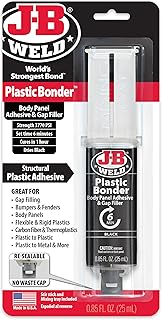
J-B Weld Plastic Bonder is a 1:1 two-part urethane adhesive designed to bond and fill gaps on automotive plastics, including bumper components. It cures to a hard, durable bond stressed for automotive environments, with a tensile strength around 3770 psi. The product sets in about 15 minutes and can be sanded after 30 minutes, making it suitable for fast bumper repairs or gap filling around reinforcements. It supports thermosets, carbon fiber composites, thermoplastics, and coated metals, offering versatility beyond bumper work. The 25 ml syringe format provides precise mixing and minimal waste for small to mid-size repairs.
Multiplast Lightweight Body Filler + Hardener

Roberlo Multiplast is a lightweight two-part body filler designed for plastic and metal repairs, including vehicle bumpers. The kit includes the original hardener for optimal curing and high-performance results, ensuring smooth surfaces suitable for topcoats. Its automotive-grade materials emphasize durability and sandability, reducing the need for extensive sanding while delivering a professional finish. This filler is especially useful for repairs where minimizing weight and maximizing feathering around damaged areas matters, such as bumper corners and small cracks that require a flexible fill without cracking under impact or temperature changes.
Flex Filler 2 (Tubes)

Flex Filler 2 from Polyvance is designed for plastics requiring ongoing flexibility after curing. The tubes are easy to dispense and do not require a separate dispensing gun or expensive mixer tips. Sanding time is relatively quick, with workable hardness that helps avoid re-cracking on flexible bumper sections or areas subjected to minor flexing. This filler is well-suited for bumper edge repairs and areas around mounting points where flexibility helps absorb vibrations and impacts without cracking the repair seam.
PlasticWeld Epoxy Putty

J-B Weld PlasticWeld is a hand-mixable two-part epoxy putty designed for repairing and rebuilding various plastics, including bumpers on ABS and PVC materials. It forms a durable, moldable plug that can be shaped, sanded, drilled, and cut after curing. The putty cures to a light color and offers a robust bond with decent gap-filling capabilities for bumper repairs. With a cure time of about 3 hours and a 25-minute initial set, it provides a reliable option for larger cracks or missing plastic areas that require custom shaping before finishing with glaze or paint.
Garage Flexible Glaze

Chemical & Plastics USC-77704 Garage Flexible Glaze is a glaze designed to complement flexible fillers and provide a smooth, glossy finish on bumper repairs. The glaze adheres well to flexible substrates and helps bridge minor imperfections left after initial filler work. It’s suitable for final feathering and creating an even surface for painting, particularly on areas that experience bending or flexing. While not a standalone repair filler, it plays a vital role in the finishing stage for a showroom-worthy bumper repair.
Buying Guide: Key Purchase Considerations And Comparisons
Choosing the right bumper filler depends on the damaged area, bumper material, and desired finish. Here are essential factors to consider:
- Material compatibility: Confirm the filler’s adhesion to the bumper substrate (ABS, polycarbonate, or coated plastics). Some products are universal, while others are optimized for specific plastics.
- Flexibility vs. rigidity: Flexible fillers help prevent cracking in areas subjected to flexing, such as bumper corners or impact zones. Rigid fillers are often better for flat, non-flexing panels but may crack under stress.
- Setting and curing times: Quick-set products speed up repairs but may be harder to work with for complex shapes. Longer cure times allow shaping but require temporary support during curing.
- Mixing and application: 1:1 mix ratios are straightforward, but some products require dedicated dispensing equipment or mixing tips. Tubes and syringes affect ease of use, waste, and consistency.
- Finish and feathering: Finishing products like glazes help achieve a seamless transition to painted surfaces. Consider whether you need a finishing glaze or just base-fill material.
- Heat and environmental resistance: Bumpers experience heat, UV exposure, and temperature swings. Look for fillers with strong heat resistance and UV-stable pigments if exposed to sunlight.
- Repair scope: For small chips, a quick epoxy or glaze may suffice. For larger cracks or missing chunks, a two-part filler combined with a glaze and topcoat yields the best results.
- Safety and cleanliness: Ensure proper ventilation when mixing two-part fillers and always wear protective gloves and eye protection during application and sanding.
When selecting a filler system, assess the repair’s scale, expected stress, and your finishing plan. For quick cosmetic fixes on flexible bumper zones, a flexible filler with a matching glaze often provides the best blend. For structural gaps or larger voids, a two-part epoxy or urethane system offers superior adhesion and strength. Always follow the manufacturer’s curing times and surface preparation guidelines to maximize bond quality and finish durability.