Answer: When choosing an engine sleeve puller kit, look for a versatile set that covers both dry and wet liners, offers a wide range of sleeve sizes, and includes durable pull plates or sleeves. This helps with quick, secure removal and installation in diesel and gasoline engines. The top picks below are best for professional shops and serious DIYers who service trucks, heavy equipment, or modern passenger cars. Each option is evaluated for compatibility, build quality, and practical use in real-world repair scenarios.
Buyer-friendly overview of the strongest options:
- VEVOR Liner Puller Cylinder Liner Puller — best for broad diameter ranges (75–138 mm) and both dry/wet liner tasks.
- Orion Motor Tech Bushing Press Kit — best for universal bearing, bushing, and seal removal across many vehicle types.
- KTTOOL 40Pcs Pull and Press Sleeve Kit — best value with wide sleeve sizes for common engines.
- VEVOR Pull and Press Sleeve Kit — best for a durable, all-around sleeve removal and installation kit.
- Runant Universal Cylinder Liner Puller — best for heavy-duty wet liner work on common heavy-duty diesels.
VEVOR Liner Puller Cylinder Liner Puller
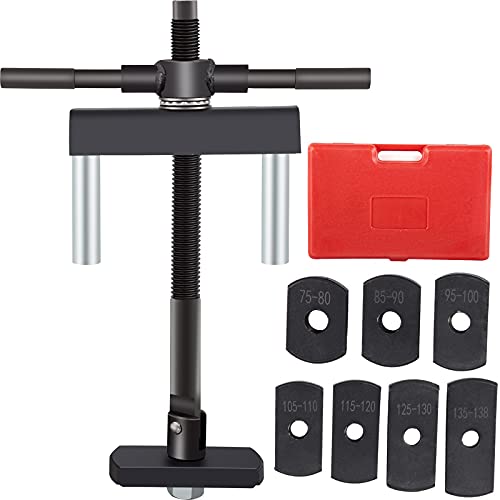
The VEVOR set targets a wide range of cylinder sizes, with a 75–138 mm diameter capability and both dry-type and wet-type compatibility. This feature makes it suitable for many diesel engine projects requiring secure liner removal. The kit includes seven pull plates sized to match common bore widths, enabling quick adjustments without swapping tools. Built from 45# steel, the plates are thickened and hardened for durability. The lead screw and nut are reinforced for long-term service life. This option is best for shops handling mixed diesel applications and engines with varied bore sizes.
Best for: diesel technicians and engine rebuilders who encounter a broad array of cylinder bore sizes. Why selected: broad compatibility, durable construction, and a complete plate set reduce downtime during liner extraction.
Caution: verify bore compatibility with your specific engine model before use, as misalignment risks damage if plates do not align precisely with the liner.
Orion Motor Tech Bushing Press Kit

This 27-piece kit is designed for pulling and pressing sleeves, bushings, and seals across most light- to heavy-duty engines. It includes 22 sleeves with bore ranges from 34 to 80 mm and five pulling shafts (M10–M18) to fit a variety of wrenches. A notable feature is the notched sleeve design, which helps securely catch the bushing edge while maintaining clear visibility of the work area. This makes it a solid choice for wheel bearings and related bushings in LCVs and some trucks.
Best for: mechanics needing a broad, universal sleeve or bushing removal system. Why selected: comprehensive sleeve sizes and multiple pulling shafts deliver flexible use across many vehicles.
Caution: not all sleeves may perfectly fit every bushing geometry; confirm bore and edge access for your target parts before purchasing.
KTTOOL 40Pcs Pull and Press Sleeve Kit

The KTTOOL kit emphasizes value with 28 sleeves, six pulling spindles (M10, M12, M14, M16, M18), and five stop plate discs. It lists a large set of outside/inside diameters designed to cover common engine components in autos and light commercial vehicles. The kit is designed to minimize damage to bearings or suspension housings during removal and installation. A practical pick for shop budgets that still require broad sleeve coverage and reliable hardware.
Best for: budget-conscious shops and DIYers who service a wide range of engines. Why selected: broad sleeve options at a favorable price point with a complete spindle assortment.
Caution: verify the exact bore sizes you’ll encounter; the broad range is helpful, but individual parts may not cover every unique bore in a single project.
VEVOR Pull and Press Sleeve Kit

This kit provides a robust 36-piece steel sleeve removal and installation solution. It’s designed for use with LCVs, cars, and heavy-duty vehicles, reducing the risk of damage to suspension housings during sleeve work. The pulling spindles are made from durable 40CR steel with a protective black oxide coating to resist rust and wear. The included carrying case aids organization and transport in busy shops. It’s a reliable all-around option for regular sleeve tasks in a workshop setting.
Best for: shops needing a durable, all-purpose sleeve toolkit for varied engine work. Why selected: steel construction and organized case simplify daily sleeve tasks across many projects.
Caution: ensure your workspace has adequate storage to keep the case secure and the contents organized; the 36-piece set can be sizable.
Runant Universal Cylinder Liner Puller

The Runant tool targets wet liner removal with broad compatibility across Mack, Cummins, Volvo, Detroit, International, and Caterpillar engines. It supports a bore range from 3-7/8″ to 6-1/4″ and a maximum depth of 15 inches. This kit is positioned as a direct-replacement option for OEM parts PT-6400-C, M50010-B, and 3376015, offering a straightforward approach to safe wet-liner handling and installation. It’s best for heavy-duty diesel rebuilds where wet liners drive the job.
Best for: heavy-duty diesel engine technicians focusing on wet liner work. Why selected: explicit compatibility with common OEM-style specifications and a dedicated heavy-duty scope.
Caution: verify the exact engine family and bore size in the field; mis-match can lead to improper liner seating or block damage if used incorrectly.
Buying Guide: Key Considerations For Selecting An Engine Sleeve Puller Kit
- Scope of compatibility: Choose a kit that covers your most used engine families (diesel vs. gasoline, heavy-duty vs. light-duty) and a wide range of liner diameters.
- Dry vs. wet liner support: If you service engines with both dry and wet liners, look for a kit that explicitly supports both configurations.
- Durability and materials: Steel construction, hardened plates, and coated tools extend life in harsh workshop environments; consider storage solutions as well.
- Ease of use: Notched sleeves and clear view of the bushing or liner edge help accuracy; quick-change plates reduce downtime between parts.
- Portability and organization: A sturdy carrying case or drawer system helps keep sleeves, spindles, and nuts accessible and protected.
- Upgrade paths: Some brands offer extensive sleeve sets or conversion kits for expanding away from a basic starter kit.
- Safety and alignment: Ensure components minimize risk of damage to engine blocks and housings; verify edge alignment before extraction or seating.
Practical Questions To Help Decide
- Do I work on both dry and wet cylinder liners, or just one type?
- What bore sizes do I encounter most often in my shop?
- Is a durable carrying case important for transport between jobs?
- Will I benefit from a universal kit with many sleeves or a focused set tailored to a specific engine family?
- How important is a notched sleeve design for visibility during removal?
Quick Comparison Table Of The Selected Kits
| Kit | Best For | Key Strengths | Limitations |
|---|---|---|---|
| VEVOR Liner Puller | Broad range of bore sizes | 75–138 mm range, dry/wet support, 7 plates | May require exact plate selection for some models |
| Orion Motor Tech Bushing Kit | Universal bearings and bushings | 22 sleeves, 5 spindles, notched sleeves | Notched design requires correct edge engagement |
| KTTOOL 40Pcs | Budget-friendly sleeve variety | 28 sleeves, multiple spindles, wide OD/ID range | Quality may depend on batch; check fit |
| VEVOR Push/Pull Sleeve Kit | Durable all-around sleeve work | 36 pieces, durable steel, protective case | Heavier; storage needs space |
| Runant Liner Puller | Heavy-duty wet liner work | Wide compatibility with heavy engines, OEM-replaceable | Specific to wet liners; confirm bore |
Frequently Asked Questions
- What is the main difference between a dry-liner puller and a wet-liner puller?
- Should I buy a universal set or a brand-specific kit?
- How do I verify bore size compatibility before buying?
- Is a carrying case essential for a sleeve kit?
- Can these kits be used on both light-duty cars and heavy-duty diesels?
- What maintenance is recommended after use?
Tip: When planning a purchase, consider both current repair needs and potential future jobs. A kit with broad bore coverage, durable construction, and organized storage will help reduce downtime and improve accuracy during liner removal and installation tasks.