Looking for the right electric mini bike motor kit to power a DIY ride or upgrade an existing bike, scooter, go-kart, or mini bike? This guide highlights five solid options that balance power, durability, and ease of install. Each pick targets a different rider type—from budget-conscious beginners to performance-focused hobbyists. The table below summarizes the five chosen products to help you compare at a glance.
| Product | Voltage / Power | Top Speed / Torque (approx.) | Best For |
|---|---|---|---|
| Unndysrt 48V 1000W Brushed Motor Kit | 48V, 1000W | 3000 rpm, 4.5 N·m | Budget builds, scooters and light go-karts |
| RTUSUML 1000W 48V Brushed Motor Kit | 48V, 1000W | 3000 rpm, 4.5 N·m | Durable city bikes and recreational riders |
| PalaUha 48V 2000W Brushless Kit | 48V, 2000W | 4300 rpm | Faster rides, light go-karts, and mini go-kart builds |
| Kunray 72V 3000W Brushless Kit | 72V, 3000W | ~3900–4500 rpm | High-performance builds, scooters and go-karts |
| Vevitts 24V 350W Brushed Motor | 24V, 350W | 3000 rpm | Small, lightweight projects and beginner tinkering |
Unndysrt 48V 1000W Brushed Motor Kit

Best for entry-level builds that require solid power without complexity. Features include a 1000W brushed permanent magnet DC motor rated at 3000 rpm and 4.5 N·m torque, plus an electroplated housing for durability and corrosion resistance. Best for converting bikes or scooters into capable daily riders. Caution: brushed motors can require more maintenance than brushless options over time.
RTUSUML 1000W 48V Brushed Motor Kit

This kit suits riders seeking reliable, steady power with a straightforward brushed controller system. It offers 1000W at 48V, 3000 rpm, and similar torque to the Unndysrt kit, with a focus on robust construction for daily commuting or light off-road use. Choose this if you want a simple upgrade that is easy to install and maintain. Limitation: brushed systems may overheat with sustained high-load use unless properly cooled.
PalaUha 48V 2000W Brushless Kit

Best for higher-performance builds needing more power and speed. This 2000W brushless kit uses a high-speed design with robust copper/aluminum construction and a 4300 rpm capability. Ideal for faster e-bikes, mini go-karts, and enhanced hill-climbing ability. Caution: higher power requires careful frame, brake, and battery considerations to ensure safe operation.
Kunray 72V 3000W Brushless Motor Kit

Best for high-performance builds requiring significant power output and advanced speed control. This 72V 3000W kit includes a 24 MOSFET controller with multiple speed settings, reverse capability, and a range of safety features. Suitable for go-karts and fast scooters. Limitation: higher voltage systems demand careful wiring, compatible frames, and battery management.
Vevitts 24V 350W Brushed Motor
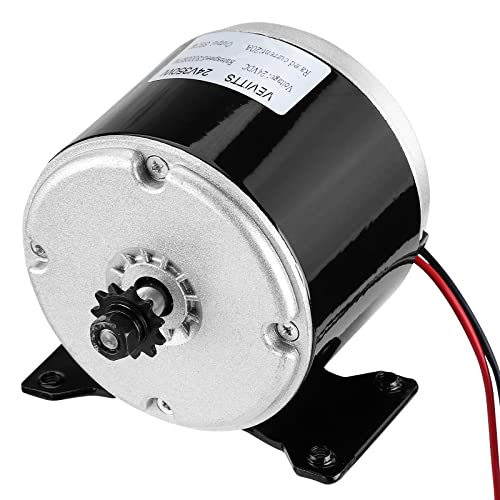
Best for small, lightweight projects and beginners exploring electric drivetrain concepts. This 24V, 350W brushed motor delivers a steady 3000 rpm with a compact aluminum body and copper windings for reliability. Choose this if you want a simple, low-power conversion or a basic e-bike starter kit. Limitation: limited top-end power compared with larger kits.
Buying Guide: Key Purchase Considerations
- Voltage and power needs: Match the motor kit to your frame’s capacity and the weight you anticipate. Higher wattage suits heavier setups and steeper terrain, while lower wattage can be sufficient for light riding.
- Motor type: Brushed motors are generally simpler and cheaper but may require more maintenance. Brushless (BLDC) motors offer higher efficiency and longevity with cooler operation under load.
- Controller compatibility: Ensure the controller voltage matches the motor and your battery. Look for protections (over-current, under-voltage) to extend life.
- Weight and mounting: Check the motor weight, mounting hardware, and frame compatibility. Heavier kits may require reinforced frames or reinforced wheels.
- Heat management: Some high-power kits generate heat quickly. Consider kits with cooling features or additional cooling if you plan long rides or steep climbs.
- Battery requirements: A suitable battery (voltage, capacity, and chemistries) is essential to realizing the kit’s performance. Consider range and recharging needs for your usage.
- Safety and regulations: Verify local regulations on electric vehicle modifications and ensure brake compatibility and proper wiring practices.
FAQ
- What’s the main difference between brushed and brushless motors?
Brushed motors are typically simpler and cheaper but require more maintenance and can overheat under heavy use; brushless motors are more efficient and durable but may be more complex to install. - How much power do I need for a light daily rider?
For light commuting and casual riding, 1000W or less is often sufficient, depending on rider weight and terrain. - Do I need special tools to install these kits?
Basic tools for bike/drivetrain work, plus some electrical wiring knowledge, are usually enough. Some kits require mounting brackets or adapters specific to the frame. - Can I upgrade a standard bike to a high-power kit safely?
It’s possible but requires checking frame strength, brake performance, and battery capacity to ensure safe operation. - Are these kits compatible with all bicycle frames?
Compatibility depends on frame geometry, mounting options, and wheel size. Verify fitment with the kit’s mounting hardware and your bike’s specs. - What maintenance is needed after installation?
Regular inspection of wiring, connectors, bearings, and cooling components helps prevent failures and maintains performance.