Find the right car sound proofing kit to reduce road, wind, and engine noise. This guide highlights five top kits and who they’re best for, from DIY enthusiasts to weekend racers. Each option focuses on effective, durable insulation with easy installation in typical passenger vehicles. Below is a quick buying table to compare core details side by side.
| Product | Total Coverage | ||
|---|---|---|---|
| KILMAT 80 Mil 10 Sqft | 10 Sqft | 80 mil (2 mm) | Budget-friendly DIY mini projects |
| KILMAT 80 Mil 36 Sqft | 36 Sqft | 80 mil (2 mm) | Wider coverage for doors, floors, trunks |
| CUKWUYBY 80 Mil 36 Sqft | 36 Sqft | 80 mil (2 mm) | Large-area noise reduction and heat blocking |
| Siless 80 Mil 36 Sqft | 36 Sqft | 80 mil (2 mm) | Industrial-grade performance at reasonable price |
| VOISEN 197 Mil 31 Sqft | 31 Sqft | 197 mil (5 mm) | Maximum dampening and heat insulation |
Note: This article focuses on self-adhesive, foil-and-butyl based products for easy DIY installation and reliable noise dampening. The best choice depends on vehicle size, how much noise you want to reduce, and how much you’re willing to install.
KILMAT 80 Mil 10 Sqft

Brand: KILMAT
Features: Very sticky self-adhesive 80 mil automotive butyl and foil sound deadening. User-friendly DIY material. Thicker material improves performance. Weight about 0.5 pounds per square foot.
Best for: Homegrown DIY projects on small panels or budget-conscious tackles. Choose this if you need quick, small-area quieting without heavy application.
Caution: Lower total area means more seams; plan cuts carefully to avoid gaps that can let noise through.
KILMAT 80 Mil 36 Sqft

Brand: KILMAT
Features: Self-adhesive 80 mil butyl with foil; 1.5x thicker than standard to deliver stronger insulation; light weight and easy to install.
Best for: Vehicles needing more substantial noise and heat reduction with a relatively simple DIY install. Choose this for larger panels or whole-door replacements.
Caution: More material requires more surface preparation and trimming; measure accurately to avoid waste.
CUKWUYBY 80 Mil 36 Sqft
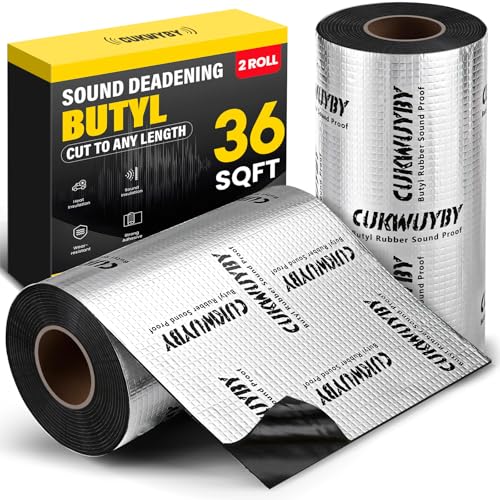
Brand: CUKWUYBY
Features: 80 mil car sound deadening mat with 2-layer aluminum foil; large-area coverage; waterproof and durable; includes strong adhesive backing for permanent bond.
Best for: Drivers seeking strong heat insulation and broad coverage across doors and floors. Choose this for comfort against heat and noise in hot climates.
Caution: Thicker materials may require more surface preparation and careful fitting to avoid air gaps.
Siless 80 Mil 36 Sqft

Brand: Siless
Features: 80 mil damping material designed for extreme performance; advanced formulation intended for automotive applications; value-oriented option with robust damping.
Best for: Enthusiasts seeking high performance at a reasonable price, especially for vehicles with multiple panels to insulate. Choose this for strong noise reduction without premium pricing.
Caution: The product relies on proper surface preparation; gaps or uneven application can reduce effectiveness.
VOISEN 197 Mil 31 Sqft
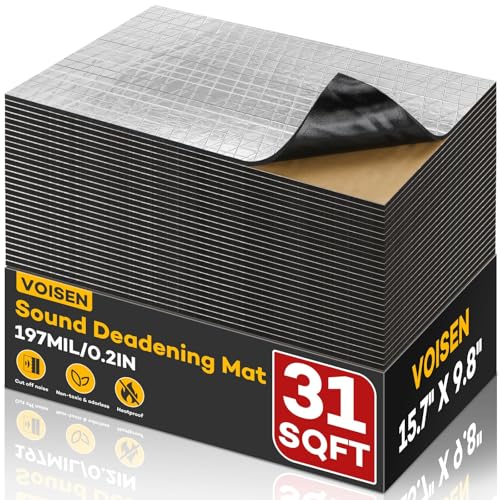
Brand: VOISEN
Features: 197 mil (5 mm) thickness; aluminum foil surface with closed-cell foam core; enables heat insulation and vibration dampening with DIY-friendly cutting options.
Best for: Maximum quieting in vehicles that experience high engine or road noise, or in hot climates needing enhanced heat control. Choose this if you want the strongest dampening achievable in a DIY kit.
Caution: Heavier and thicker mats require careful handling and more time during installation; ensure good adhesion on each panel.
Buying Guide: Key Purchase Considerations
- What thickness do I need? Thicker options (like 197 mil) provide stronger dampening but are heavier and harder to fit. For most daily drivers, 80 mil is a solid balance of performance and ease of install.
- How much area should I cover? Larger vehicles or full cabin quieting benefit from 30–40 sq ft of material. Plan your layout to minimize seams and maximize coverage on doors and floors.
- What is the base material? Foil-backed butyl is common. Foil helps reflect heat, while butyl absorbs vibrations. The combination improves both noise reduction and thermal insulation.
- Is the product DIY-friendly? Self-adhesive backings simplify installation. Ensure clean surfaces, remove moisture during application, and press firmly to maximize adhesion.
- How will heat affect performance? Some mats advertise heat resistance to high temperatures. In hot climates, heat blocking can reduce cabin temperature and lower AC load.
Frequently Asked Questions
- Do I need to remove door panels to install sound deadening? Answer: Yes, you typically remove interior panels to access larger flat areas; plan for reassembly when ordering materials.
- Is 80 mil sufficient for a mid-size sedan? Answer: For most mid-size cars, 80 mil provides a good balance of noise reduction and ease of installation. Consider adding more area if noise from multiple panels is persistent.
- Can I install sound deadening over existing mats? Answer: It is best to apply to clean, bare metal or over clean, compatible surfaces for maximum adhesion and performance.
- Will this make my car louder? Answer: Properly installed dampening material reduces cabin noise by absorbing vibrations and blocking heat transfer, not by increasing noise.
- How long does installation take? Answer: DIY installations can range from a couple of hours for small projects to a full day for extensive door, floor, and trunk coverage.