A self-adhesive black leather patch is a practical option for covering small tears, scratches, or worn areas on a car seat. For a long roll that can be cut to size, consider ONine or Gecyfit; for a patch made specifically for car seats, YGDMD is a focused option. Zibropus offers a larger perforated-style patch, while Besezx is another cut-to-fit roll for vinyl and synthetic leather. Match the patch’s color, surface texture, and size to the damaged area before applying it.
| Product | Best For | Format |
|---|---|---|
| ONine Leather Repair Tape | General cut-to-size repairs | 3 x 60-inch roll |
| Besezx Leather Repair Patch Tape | Vinyl and synthetic leather | 3.1 x 60-inch roll |
| Gecyfit Leather Repair Patch | Larger cut-to-fit repairs | 4 x 63-inch roll |
| YGDMD PU Leather Patches | Small car-seat damage | Two 8 x 4-inch patches |
| Zibropus Perforated Repair Patch | Repairs needing a perforated look | 7.8 x 11.8-inch patch |
ONine Leather Repair Tape
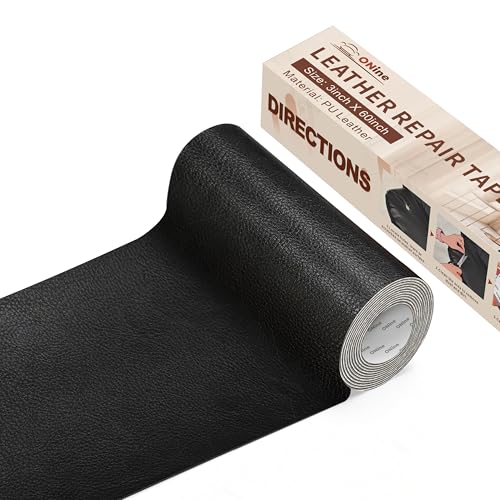
Best for: Drivers who need a long strip of material to cut around a small tear, scuff, or worn section. The 3-by-60-inch format gives flexibility for shaping a patch to the affected area.
ONine describes the patch as waterproof, scratch-proof, and self-adhesive, with no heat, tools, or stitching required. Its listed uses include car seats and vinyl or faux-leather surfaces. The simple application process is to clean and dry the area, cut the patch, then press it into place.
Limitation: This is a smooth-texture patch, so it may not visually match a seat with a distinct grain or perforations. Check the texture and black shade before covering a visible area.
Besezx Leather Repair Patch Tape
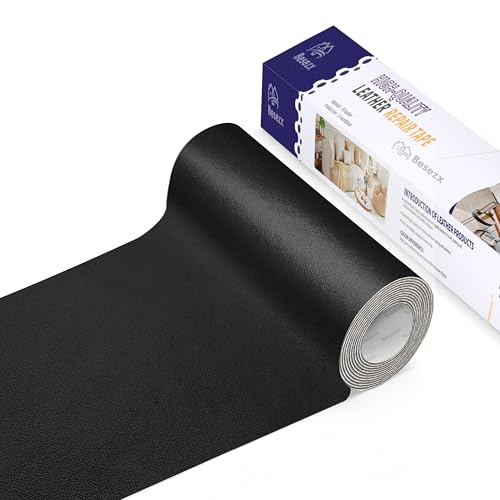
Best for: Buyers repairing vinyl or synthetic-leather upholstery who want a long, cut-to-fit strip. Its dimensions are 3.1 by 60 inches, making it useful when the damaged shape does not fit a small precut patch.
The product listing describes a smooth surface that is waterproof, wear-resistant, and scratch-resistant. It requires no ironing, sewing, or tools. Besezx recommends applying it to a clean, dry surface free of impurities, which helps make preparation a clear part of the repair.
Limitation: The listed texture is smooth rather than perforated. Avoid choosing it solely by color if matching the seat’s surface pattern is important.
Gecyfit Leather Repair Patch

Best for: Car owners who want a wider roll for a larger damaged section or multiple small repairs. At 4 by 63 inches, it is wider than the ONine and Besezx rolls listed here.
Gecyfit describes its patch as waterproof, scratch-resistant, and easy to clean. The application steps are clean and dry, cut, peel off the backing, and stick. Its stated uses include car seats, sofas, office chairs, and other leather or vinyl products.
Limitation: A roll offers material to cut, not a contoured or pre-shaped repair. Measure the damaged area first, and consider whether a wider patch will cover more of the seat than needed.
YGDMD PU Leather Patches
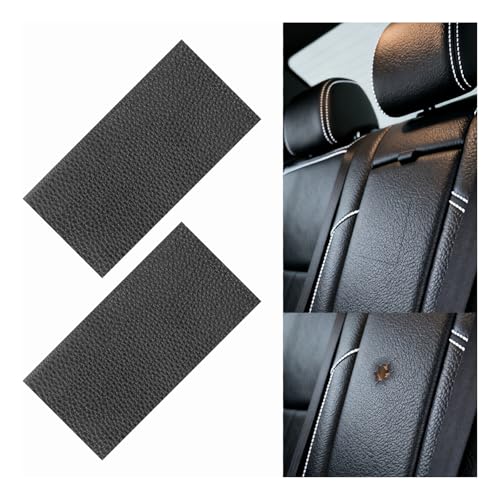
Best for: Drivers addressing a small scratch, crack, or hole who prefer two defined patches instead of cutting a long roll. The package contains two 8-by-4-inch self-adhesive PU leather patches and is specifically presented for car-seat repair.
YGDMD lists a classic leather texture and says the material is water-resistant and designed to withstand daily scratches and pressure. Its stated purpose is to blend with car upholstery, though the result will depend on how closely the patch matches the original seat.
Limitation: The fixed patch dimensions provide less sizing flexibility than a long roll. For damage larger than the patches, compare coverage carefully before choosing.
Zibropus Perforated Repair Patch

Best for: Buyers whose seat has a perforated appearance and who want a larger patch rather than a narrow roll. The listed size is 7.8 by 11.8 inches, and the product is described as perforated vinyl with a textured surface.
The patch is self-adhesive and can be cut to size. The instructions call for cleaning the surface, cutting the patch, removing its backing, and pressing it firmly. The listing recommends warming the adhesive backing with a hair dryer in winter for a more reliable bond.
Limitation: A perforated look will not match every seat. The seller’s cold-weather application advice also means the instructions differ from products that specify no heat.
Buying Guide: How To Choose A Black Car Seat Patch
Should you choose a roll or a precut patch?
A roll is better when damage has an unusual shape, when you want to trim the material yourself, or when you may need several small pieces. A precut patch is more straightforward for a small area that fits within its dimensions. Compare the usable patch size with the full tear, including the margin needed to cover its edges.
How important is texture matching?
Black patches can still stand out if their texture differs from the seat. Compare smooth, classic leather-texture, and perforated options with the area around the damage. A surface pattern can be especially noticeable on a seat panel that has ventilation holes or a pronounced grain.
What surfaces do these products list?
The products describe uses on leather, faux leather, synthetic leather, or vinyl, but those terms do not guarantee suitability for every seat material or finish. Check the vehicle’s upholstery information and the product’s instructions. For valuable or extensive damage, ask an upholstery professional before applying an adhesive patch.
How should you prepare the seat?
Follow the selected product’s directions. Several listings call for a clean, dry surface before application. Cut the patch to fit, avoid stretching it, and press it down firmly. Test placement carefully before peeling the backing because repositioning may be difficult once adhesive contacts the seat.
When is a patch not the right repair?
A patch is generally intended to cover surface damage such as small tears, scratches, or holes. It may not restore the seat’s original construction, cushioning, or appearance. Large rips, loose upholstery, or damage near seams may need a professional repair rather than a self-adhesive cover.
Frequently Asked Questions
Can a black leather patch be used on a vinyl car seat?
Several listed products describe use on vinyl or synthetic-leather surfaces. Confirm the material and product instructions before applying a patch.
Do self-adhesive car seat patches require sewing?
The ONine and Besezx listings say their patches require no sewing. Other self-adhesive options also describe peel-and-stick application; follow each product’s directions.
How do I make a repair patch less noticeable?
Choose a patch with a similar black shade, texture, and surface pattern. Cut it to cover the damage without excess material, and apply it to a clean, dry area.
Are these patches suitable for large seat tears?
Some rolls and larger sheets offer more coverage, but a patch may not be appropriate for extensive tears or seam damage. Check dimensions and consider professional upholstery repair for structural damage.
Can I trim a self-adhesive patch?
ONine, Besezx, Gecyfit, and Zibropus describe cutting their material to size. Trim it before removing the backing, and follow the product’s application instructions.